Shenzhen—China’s epicenter of high-tech manufacturing, cross-border e-commerce, and electronics production—shares a critical supply chain link with Nagoya, Japan’s industrial heartland for automotive engineering (home to Toyota’s global headquarters), precision machinery, and aerospace components. For businesses moving goods between these two industrial hubs, selecting the right logistics solution directly impacts delivery reliability, cost efficiency, and market competitiveness. This guide breaks down Shenzhen to Nagoya shipping options, walks through the end-to-end foreign trade logistics workflow, and delivers actionable fixes for common pain points.
Shenzhen’s access to world-class ports (Yantian, Shekou) and its international airport (Shenzhen Bao’an International Airport, SZX) positions it as a gateway for Japan-bound cargo, while Nagoya’s Centrair International Airport (NGO) and Nagoya Port cater to high-volume industrial and consumer shipments. Below is a detailed comparison of transport modes, tailored to the unique cargo needs of Shenzhen and Nagoya’s key industries:
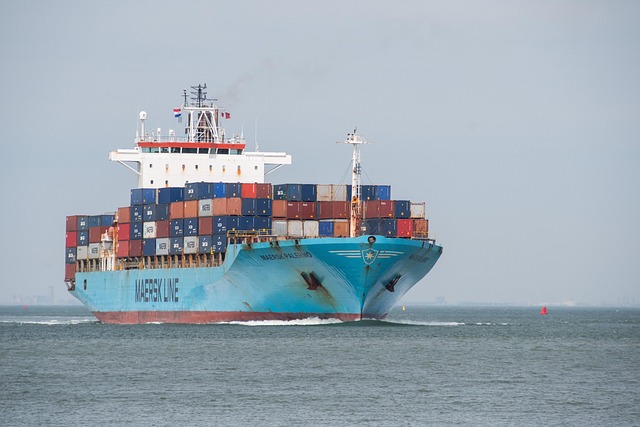
Shenzhen’s electronics exporters often choose Shenzhen to Nagoya sea freight for bulk components destined for Nagoya’s tech and automotive supply chains, while urgent semiconductor shipments and high-value finished electronics rely on Shenzhen to Nagoya air freight. Cross-border e-commerce sellers benefit from dedicated Shenzhen to Nagoya e-commerce logistics that merge sea/air transport with Japan’s local last-mile networks (e.g., Yamato Transport, Japan Post).
Partnering with a trusted Shenzhen to Nagoya freight forwarder simplifies the logistics lifecycle, but understanding each step is critical to avoiding costly delays—especially for shipments tied to Nagoya’s just-in-time (JIT) automotive manufacturing. Below is the step-by-step workflow with Shenzhen-specific checkpoints:
- Action: Share cargo details (weight, volume, type, urgency, and pickup location in Shenzhen’s industrial parks like Bao’an or Longgang) with 2–3 Shenzhen to Nagoya logistics companies.
- Note: Disclose if cargo is automotive parts (requires Nagoya’s industry-specific compliance) or e-commerce goods (needs Japan’s JCT tax documentation). A reputable Shenzhen to Nagoya freight forwarder will verify cargo eligibility for your chosen transport mode.
- Action: Confirm booking and prepare mandatory documents: commercial invoice (with Shenzhen factory origin markings), packing list, bill of lading (sea freight) or air waybill (air freight), and Japan’s import declaration form.
- Note: Shenzhen customs mandates pre-declaration for electronics exports; your freight forwarder should manage this to prevent port holdups before cargo departs.
- Action: The logistics provider collects cargo from your Shenzhen warehouse or factory. LCL sea freight shipments are consolidated at a Shenzhen warehouse to fill containers bound for Nagoya.
- Note: E-commerce parcels may require kitting or Japanese-language labeling at a Shenzhen fulfillment center to meet Nagoya’s consumer packaging standards.
- Action: Chinese customs clears cargo at Shenzhen’s port/airport; Japanese customs processes it at Nagoya Port or NGO.
- Note: Shenzhen’s electronics face minimal Chinese customs scrutiny, but Nagoya customs rigorously inspects automotive and tech goods—pre-shipment document validation via your freight forwarder mitigates delays (see Section 3 for more details).
- Action: FCL sea freight sails direct from Shenzhen to Nagoya (6–8 days); air freight flies nonstop from SZX to NGO (2 hours). Rail/road shipments may transship at Chinese coastal ports or Hong Kong.

- Action: Cargo is delivered to Nagoya addresses (e.g., Toyota’s manufacturing plants in Toyota City, warehouses in Nagoya Port’s logistics zone, or downtown retail stores). E-commerce shipments are handed off to local carriers for final delivery.
- Note: A Nagoya-based partner (arranged by your Shenzhen to Nagoya logistics company) ensures compliance with Japan’s strict delivery window regulations for JIT manufacturing.
Shenzhen exporters face unique hurdles when shipping to Nagoya—from customs delays to hazardous goods compliance and e-commerce cost overruns. Below are actionable, industry-specific fixes:
Nagoya’s customs prioritizes inspections of automotive and electronics cargo, which can delay deliveries by 4–8 days and disrupt JIT production for Nagoya’s factories.
- Solutions:
- Precise HS Code Labeling: Assign accurate HS codes to every item (e.g., Shenzhen-made car sensors = HS 902990) to avoid vague declarations that trigger Nagoya customs flags.
- Pre-Shipment Inspection (PSI): A Shenzhen to Nagoya freight forwarder can arrange PSI in Shenzhen to validate cargo against Japan’s import rules before departure.
- Disclose Value-Added Services: Report any packaging or assembly done in Shenzhen to prevent under-declaration penalties in Nagoya.
Shenzhen’s lithium-ion battery and chemical exports (used in Nagoya’s automotive and tech sectors) are classified as hazardous goods under Japanese law. Non-compliance leads to cargo seizure and substantial fines.
- Solutions:
- UN Hazard Classification: Label goods with correct UN codes (e.g., lithium batteries = Class 9) and work with a Shenzhen to Nagoya logistics company certified for dangerous goods transport.
- Secure METI Permits: Your freight forwarder should obtain permits from Japan’s Ministry of Economy, Trade and Industry (METI) for hazardous cargo before it leaves Shenzhen.
- IATA/IMDG-Compliant Packaging: Use Shenzhen’s specialized hazardous goods warehouses to package cargo to international standards for Nagoya-bound shipments.
Shenzhen is China’s top cross-border e-commerce hub, but shipping small parcels to Nagoya can shrink profit margins without strategic cost controls.
- Solutions:
- Parcel Consolidation: Use a Shenzhen to Nagoya e-commerce logistics provider’s warehousing to bundle orders into bulk shipments, cutting per-parcel costs by 20–35%.
- FBA Alternative Routes: For Amazon Japan sellers, partner with Shenzhen freight forwarders with direct access to Nagoya’s third-party fulfillment centers to reduce last-mile costs vs. Amazon FBA.
- Volume Rate Negotiation: Shenzhen’s high e-commerce export volume to Nagoya lets sellers negotiate discounted monthly rates with Shenzhen to Nagoya logistics companies.
For Shenzhen businesses, the ideal logistics provider understands both Shenzhen’s electronics/e-commerce strengths and Nagoya’s automotive/tech supply chain demands. Whether you need Shenzhen to Nagoya sea freight for bulk cargo, Shenzhen to Nagoya air freight for urgent deliveries, or specialized Shenzhen to Nagoya e-commerce logistics, prioritize a freight forwarder with on-the-ground teams in both cities. This ensures end-to-end visibility, regulatory compliance, and cost efficiency—keeping your goods moving seamlessly between two of Asia’s industrial powerhouses.