0 Comments
1 category
International logistics services: Freight company services from Shenzhen to Chicago
For businesses bridging Shenzhen—China’s global manufacturing and cross-border e-commerce hub—and Chicago—America’s Midwest logistics epicenter, industrial core, and key distribution gateway to North America—mastering cross-border shipping, navigating U.S. customs rules, and balancing speed with cost is critical to supply chain reliability. This guide merges city-specific insights (leveraging Shenzhen’s dominance in electronics, automotive parts, and consumer goods, and Chicago’s strengths as a top U.S. air/rail hub, manufacturing center, and agricultural distribution hub) with actionable.
1. Shenzhen to Chicago Shipping Methods: Sea vs. Air vs. Rail vs. Road Comparison
Chicago’s position as the U.S. “transportation crossroads” (home to O’Hare International Airport, the largest rail hub in North America, and inland port access via the Great Lakes) means transport mode selection hinges on cargo urgency, volume, value, and alignment with local sector demands (e.g., just-in-time automotive parts for Chicago’s manufacturing sector, fast e-commerce delivery for Midwest consumers). Below is a detailed, market-tailored breakdown:
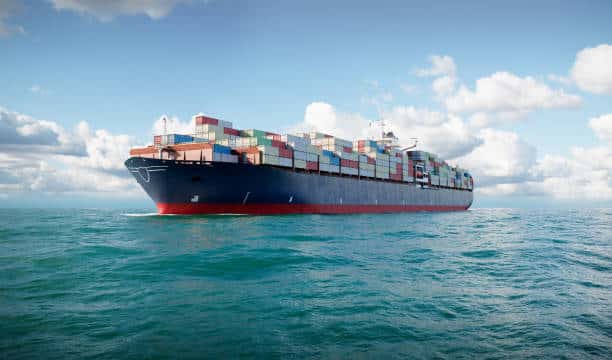
Sea Freight (Shenzhen to Chicago Sea Freight)
- Transit Time: 25–35 days (FCL/LCL) via core routes: Shenzhen (Yantian/Shetouwan Port) → Pacific Ocean → Los Angeles (LA)/Long Beach (LB) Port (or Savannah Port for East Coast) → rail/road to Chicago. Peak seasons (Q4 holiday rush, Chinese New Year) add 4–6 days; direct West Coast services cut transit by 3–4 days vs. East Coast routes.
- Cost: Most budget-friendly for bulk volumes—FCL (20ft/40ft container) rates: $2,000–$3,800; LCL rates: $35–$65 per cubic meter. Ideal for cost-prioritized B2B shipments.
- Suitable Cargo: Heavy industrial machinery (for Chicago’s manufacturing sector), electronics components (Shenzhen’s top export), bulk textiles, agricultural equipment (for Midwest farms), and non-urgent consumer goods for U.S. retail chains. Chicago’s rail network (BNSF, Union Pacific) turns sea freight into a cost-effective solution for nationwide redistribution, while its inland port streamlines drayage for containerized cargo.
- Key Considerations: Partner with a Shenzhen to Chicago freight forwarder experienced in U.S. intermodal logistics to avoid bottlenecks between LA/LB ports and Chicago’s rail yards. FCL shipments qualify for streamlined U.S. Customs and Border Protection (CBP) clearance if accompanied by accurate HS code documentation; LCL is ideal for small-batch B2B orders targeting Chicago’s local retail market.
Air Freight (Shenzhen to Chicago Air Freight)
- Transit Time: 3–7 days (direct flights from Shenzhen Bao’an International Airport to Chicago O’Hare International Airport (ORD); indirect via LA/San Francisco adds 1–2 days). ORD’s status as the world’s busiest cargo airport (handling 1.4 million tons of freight annually) enables expedited processing for high-priority shipments.
- Cost: Premium but time-critical—rates: $4–$9 per kg. Justifiable for high-value or urgent cargo (e.g., tech prototypes, medical supplies).
- Suitable Cargo: Cross-border e-commerce parcels (Shenzhen to Chicago e-commerce logistics), high-end consumer electronics (Shenzhen’s specialty), automotive prototypes for Chicago’s engineering firms, and perishable agricultural products (for Midwest grocery chains). Chicago’s central U.S. location makes air freight a go-to for DTC brands needing 2–3 day delivery to Midwest consumers.
- Key Considerations: Work with a Shenzhen to Chicago logistics company with ORD cargo terminal expertise to comply with TSA screening rules (critical for Shenzhen’s lithium-ion battery exports). Direct flights to ORD eliminate transshipment risks and cut delivery windows for urgent industrial samples or e-commerce peak-season shipments.
Rail Freight (Shenzhen to Chicago Rail Logistics)
- Transit Time: 20–28 days via multimodal route: Shenzhen → Xi’an → Alashankou Border → Russia → Europe → Atlantic Ocean (short sea) → U.S. East Coast (Savannah/New York) → rail to Chicago (via CSX/NS rail networks).
- Cost: Mid-tier—$2,800–$4,500 per 40ft container (cheaper than air, 25% faster than traditional sea freight for East Coast-to-Chicago routes).
- Suitable Cargo: Medium-volume, time-sensitive goods (e.g., auto parts for Chicago’s Ford/GM suppliers, electronics assemblies, sustainable homeware). Rail reduces carbon emissions by 60% vs. road—aligning with Chicago’s 2035 carbon-neutral logistics goals and U.S. corporate sustainability mandates.
- Key Considerations: Book 4–6 weeks in advance (intermodal rail slots fill fast for peak routes). Ensure compliance with U.S. Federal Railroad Administration (FRA) safety standards for hazardous cargo; rail freight also qualifies for U.S. green logistics incentives for eco-focused brands.
Road Freight (Shenzhen to Chicago Road Transport)
- Transit Time: 28–36 days via multimodal route: Shenzhen → Guangzhou Port → sea to LA/LB → road to Chicago (via Interstate 80, the main U.S. cross-country highway).
- Cost: Flexible but higher than sea/rail—$3,200–$5,800 per truckload (20 tons). Best for small-batch, regional U.S. deliveries.
- Suitable Cargo: Last-mile replenishment for Chicago’s downtown retail stores, small-volume industrial components for local manufacturers, and temperature-controlled pharmaceuticals for Midwest hospitals. Complements sea/air freight for end-to-end U.S. fulfillment, especially for time-sensitive regional restocks.
- Key Considerations: U.S. road transport requires compliance with Federal Motor Carrier Safety Administration (FMCSA) rules (e.g., driver hours of service, ELD tracking). Use a logistics provider with cross-border U.S. road expertise to navigate California-to-Illinois highway regulations and avoid delivery delays.
Summary Table
| Shipping Method | Transit Time | Cost (40ft Container) | Suitable Cargo | Best For |
|---|---|---|---|---|
| Sea Freight | 25–35 days | $2,000–$3,800 | Bulk industrial/consumer goods | B2B orders, nationwide U.S. redistribution, cost savings |
| Air Freight | 3–7 days | $8,000–$18,000 (400kg) | High-value, urgent goods | E-commerce, tech prototypes, medical supplies |
| Rail Freight | 20–28 days | $2,800–$4,500 | Medium-volume industrial cargo | Sustainable shipping, automotive/electronics parts |
| Road Freight | 28–36 days | $3,200–$5,800 | Small batches, regional U.S. delivery | Retail restocks, specialized temperature-controlled cargo |
2. Full Process of Shenzhen to Chicago Logistics: Step-by-Step Guide
Shipping from Shenzhen to Chicago requires strict adherence to Chinese export rules, U.S. CBP regulations, and Chicago’s local logistics protocols. Follow this actionable workflow to eliminate bottlenecks and ensure on-time delivery:
Step 1: Inquiry & Quotation (Choose a Shenzhen to Chicago Logistics Company)
- Key Actions: Provide detailed cargo specs (weight, volume, HS code, cargo type, and delivery deadline). Request quotes from a Shenzhen to Chicago freight forwarder with U.S. intermodal expertise—they will flag hidden costs (e.g., LA/LB port congestion fees, CBP inspection charges, Chicago local delivery fees) and recommend optimal modes (e.g., sea freight for bulk auto parts, air for e-commerce parcels).
- Pro Tip: For cross-border e-commerce, ask about integrated solutions (Shenzhen warehousing + Chicago 3PL fulfillment centers like Amazon FBA or ShipBob) to cut last-mile delivery times to 1–2 days for Midwest customers.

Step 2: Booking & Documentation
- Booking: Lock in rates 3–5 weeks in advance (peak seasons: Q4, Chinese New Year, Chicago’s summer manufacturing shipping rush). Confirm slots with carriers—ORD’s cargo terminals and BNSF rail hubs fill fast for premium routes.
- Essential Documentation:
- Commercial Invoice (accurate product values/descriptions—CBP enforces $10,000+ fines for under-invoicing to evade duties).
- Packing List (itemized by SKU; include U.S.-compliant labeling for retail goods, such as country-of-origin markings).
- Bill of Lading (sea/rail) or Air Waybill (air)—critical for cargo ownership and U.S. port clearance.
- Certificate of Origin (to qualify for U.S.-China trade agreement tariff reductions, saving 5–12% on duties for Shenzhen-made electronics and textiles).
- Special Cargo Docs: MSDS (dangerous goods), FCC certification (electronics for U.S. market), or FDA approval (medical devices for Chicago’s healthcare sector).
Step 3: Cargo Pickup & Consolidation
- Pickup: Arrange pickup from your Shenzhen warehouse (Shenzhen’s 30+ logistics parks enable same-day pickup for most orders).
- Consolidation: For LCL/air freight, your freight forwarder will consolidate cargo to lower costs. Use shockproof, moisture-resistant packaging (Chicago’s humid continental climate risks damage to Shenzhen’s electronics and textiles) and FMCSA-approved packaging for road-transported cargo.
Step 4: Customs Clearance (Shenzhen & Chicago)
- Shenzhen Customs: Submit docs via China Customs e-portal. Common checks include export restrictions for high-tech goods and cargo valuation verification.
- Chicago (U.S. CBP Clearance): CBP’s Chicago office prioritizes security and tariff compliance—avoid delays with these tips:
- Verify HS codes via the U.S. International Trade Commission (USITC) database (errors cause 40% of U.S. customs holds).
- Declare all e-commerce parcels with valid IOSS/1099-K numbers (streamlines U.S. tax collection and avoids customer-side fees).
- Comply with CPSC regulations (for consumer products) and EPA rules (for industrial goods with chemical components).
Step 5: Transport & Tracking
- Track shipments in real time via your logistics provider’s platform. For sea freight, monitor LA/LB Port’s live updates; for rail, use BNSF’s tracking tool; for air freight, leverage ORD’s cargo portal.
- Proactively communicate with your freight forwarder about potential disruptions (e.g., Pacific Ocean congestion, U.S. rail strikes, Chicago winter weather delays) to adjust delivery timelines.
Step 6: Delivery & Post-Delivery Support
- Chicago Delivery: Choose door-to-door (most convenient for e-commerce/retail) or port/airport-to-warehouse (cheaper for B2B industrial goods). Chicago’s dense highway/rail network enables same-day delivery to industrial zones (e.g., Chicago South Side Manufacturing District) and 1–2 day delivery to surrounding states (Indiana, Michigan, Wisconsin).
- Post-Delivery: Reputable Shenzhen to Chicago freight forwarders offer cargo insurance (up to full value) and claim support for damaged/lost goods. Request a CBP clearance receipt for tax and compliance records.
3. Common Problems & Solutions for Shenzhen to Chicago Shipping
How to Avoid U.S. Customs Inspection Delays?
U.S. CBP inspections can cause 2–7 day delays and lost revenue—here’s how to mitigate risks:
- Document Precision: Ensure invoices, packing lists, and HS codes match exactly (CBP uses AI to flag discrepancies, e.g., “electronics” listed with a textile HS code).
- Pre-Audit Docs: Partner with a Shenzhen to Chicago logistics company to pre-audit paperwork—they will fix gaps (e.g., missing FCC certification) before cargo arrives in the U.S.
- Leverage C-TPAT Status: If your freight forwarder holds U.S. Customs-Trade Partnership Against Terrorism (C-TPAT) certification, shipments qualify for reduced inspection rates and faster clearance at Chicago’s CBP checkpoints.
- Avoid Restricted Items: Verify CBP’s latest Restricted Goods List (e.g., counterfeit electronics, unapproved agricultural products are seized immediately at Chicago’s ports/airports).
Dangerous Goods Shipping Compliance Guide (Shenzhen to Chicago)
Shenzhen’s chemical and electronics exports (e.g., lithium-ion batteries, automotive solvents) often qualify as dangerous goods—follow these U.S. regulations to avoid fines or cargo seizure:
- Classify Correctly: Use UN Dangerous Goods Classification (e.g., lithium-ion batteries = Class 9, solvents = Class 3).
- Prepare DOT-Compliant MSDS: A Material Safety Data Sheet (U.S. Department of Transportation (DOT)-approved) is mandatory for all hazardous cargo (enforced by the Pipeline and Hazardous Materials Safety Administration (PHMSA)).
- Follow Mode-Specific Rules: Adhere to IMDG Code (sea), IATA DGR (air), and FMCSA/PHMSA rules (road/rail); Chicago’s ORD Airport requires additional labeling for hazardous air cargo.
- Declare in Advance: Notify CBP and your carrier of dangerous goods 72 hours before shipping (late declarations result in fines of up to $75,000 and 5–10 day delays).
Cross-Border E-Commerce Logistics Cost Optimization Tips (Shenzhen to Chicago E-Commerce Logistics)
E-commerce sellers need to balance speed and cost for Chicago’s fast-paced B2C market—these strategies deliver measurable savings:
- Mix Shipping Modes: Use Shenzhen to Chicago sea freight for bulk inventory (stored in Chicago fulfillment centers) and Shenzhen to Chicago air freight for fast-moving SKUs (e.g., holiday gifts, new smartphone accessories).
- Negotiate Volume Discounts: Partner with a dedicated Shenzhen to Chicago logistics company for e-commerce—regular shippers save 15–30% on sea/air rates and last-mile delivery fees.
- Optimize Packaging: Use lightweight, compact packaging (reduces air freight weight costs) and 100% recyclable materials (avoids Chicago’s municipal eco-surcharges for non-recyclable packaging).
- Leverage Local Warehousing: Store inventory in Chicago’s fulfillment centers to offer 1–2 day delivery to Midwest customers (boosts conversion rates and cuts cross-border shipping costs by 40% vs. direct air freight from Shenzhen).
Why Choose Our Shenzhen to Chicago Logistics Services?
As a leading Shenzhen-based international logistics provider, we specialize in connecting China’s manufacturing hub to Chicago’s North American transportation gateway. Our core strengths include:
- Dual Local Expertise: Deep knowledge of Shenzhen’s ports/airports and Chicago’s ORD terminal protocols, CBP regulations, and e-commerce fulfillment ecosystem.
- Tailored Solutions: Custom Shenzhen to Chicago sea freight, air freight, rail, and road options—including end-to-end Shenzhen to Chicago e-commerce logistics with local warehousing and last-mile delivery.
- Compliance Mastery: Expertise in U.S.-China tariff reductions, dangerous goods shipping, and CBP/TSA rules—we achieve 98% on-time delivery and 0% major customs delays for clients.
- Transparent Support: Real-time tracking, 24/7 multilingual customer service (English/Mandarin/Spanish), and no hidden fees—we keep you in full control of your supply chain.
Whether you’re shipping electronics from Shenzhen to Chicago’s tech firms, automotive parts to local suppliers, or e-commerce parcels to Midwest consumers, we’re your trusted Shenzhen to Chicago freight forwarder and logistics company. Contact us today for a personalized quote and start optimizing your cross-border logistics.
Category: International Logistics Express Line
Related Posts
Cross-Border E-Commerce Logistics: Streamlined Shipping for Global Sales
Cross-Border E-Commerce Logistics: Streamlined Shipping for Global Sales Managing logistics…
Ocean Freight
Global Network Precision | Economical Strategic AdvantageLeveraging intelligent routing across…
Amazon FBA Head Shipping Guide: Efficient Routes from China to US Warehouses
Amazon FBA Head Shipping Guide: Efficient Routes from China to…