0 Comments
1 category
If you’re a US importer or European business shipping goods to the US West Coast, you’ve likely felt the pain of port congestion firsthand: your cargo sits anchored off Los Angeles (LA) or Long Beach (LB) for weeks, terminal handling drags on, and inland transport delays turn “on-time” shipments into stock-out disasters. For 2024, US West Coast port congestion remains a top supply chain risk—especially as peak holiday stock up (August–October) ramps up. What’s the current state of congestion at LA, Long Beach, and other US West Coast ports? What’s causing the backups? And most importantly, how can you avoid costly delays and keep your supply chain moving? This guide breaks down everything you need to know about 2024 US West Coast port congestion—real-time data, root causes, proven mitigation strategies, and alternative routes—so you can protect your inventory, control costs, and meet customer demand.
Current US West Coast Port Congestion: Key Facts & Data (2024)
US West Coast ports (Los Angeles, Long Beach, Oakland, Seattle/Tacoma) handle 60% of US containerized imports from Asia—making their congestion a nationwide supply chain issue. Here’s the latest 2024 snapshot (as of [Current Month]):
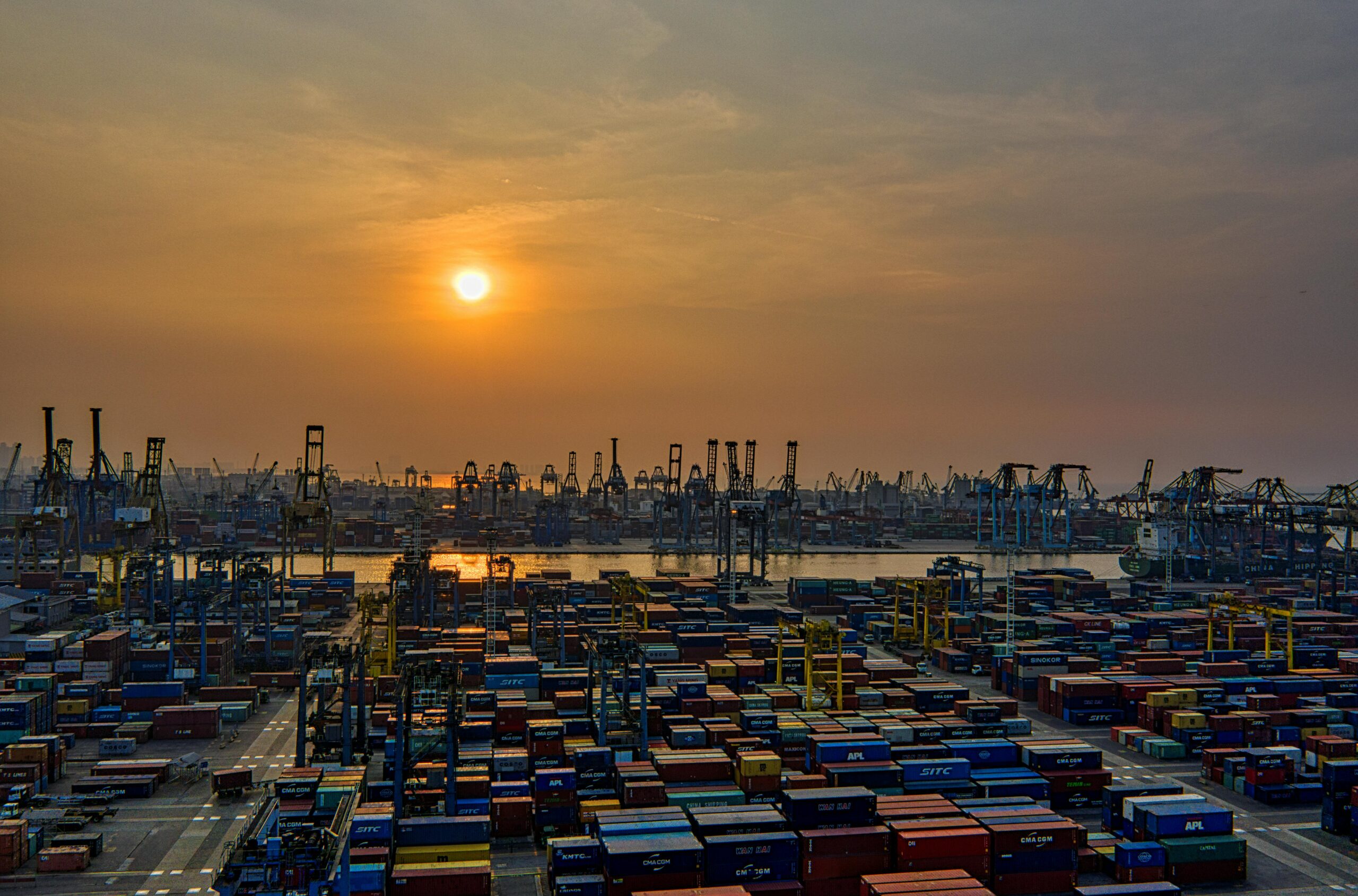
- Los Angeles (LA) & Long Beach (LB) Ports: The busiest US port complex (responsible for 40% of US container imports). As of [Current Date], 12–18 ships are anchored offshore waiting to berth (down from 2022’s peak of 100+ but still 3x pre-pandemic levels). Average berthing wait time: 3–7 days (vs. 1–2 days pre-pandemic). Terminal unloading time: 2–4 days (up from 1–2 days).
- Oakland Port: Congestion is milder but growing—3–5 ships waiting to berth, with 2–3 day wait times. Inland transport delays (truck driver shortages) are a bigger issue here, adding 1–3 days to delivery.
- Seattle/Tacoma (Northwest Seaport Alliance): Lowest congestion among US West Coast hubs—1–2 ships waiting, 1–2 day wait times. However, limited capacity means it’s not a viable alternative for all importers.
- Cost Impact: Congestion adds $1,500–$3,000 per container in extra costs (port storage fees, detention/demurrage, expedited inland transport). For a mid-sized importer moving 50 containers/month, that’s $75,000–$150,000 in avoidable expenses annually.
Critical Note for Peak Season 2024: Industry forecasts predict LA/LB congestion will worsen in August–October, with berthing wait times spiking to 7–10 days. Importers should plan 4–6 weeks of buffer time for Q4 shipments.
Why Is the US West Coast Still Congested in 2024?
US West Coast port congestion isn’t a temporary issue—it’s driven by long-term systemic challenges compounded by short-term pressures. The top 5 causes for 2024 are:
1. Infrastructure Limitations & Equipment Shortages
LA/LB ports were built for pre-pandemic cargo volumes—their aging infrastructure (crane capacity, terminal storage space) can’t keep up with 2024’s import levels. Key bottlenecks include: – Chassis shortages: The metal frames used to move containers from ports to warehouses are in short supply (many are stuck at inland facilities or damaged). This means even when containers are unloaded, they can’t be moved quickly. – Crane inefficiencies: Only 30% of LA/LB cranes are fully automated (vs. 80% at Singapore’s ports). Manual cranes unload 20–25 containers per hour, while automated cranes handle 35–40—slowing down the entire process.
2. Labor Shortages & Contract Uncertainty
US West Coast ports rely on longshoremen (dockworkers) to unload containers—but a 2023 labor contract negotiation (between the International Longshore and Warehouse Union, ILWU, and the Pacific Maritime Association, PMA) left lingering staffing issues. Many longshoremen retired or left the industry during the negotiations, leading to a 15–20% staffing gap in 2024. Even minor labor slowdowns (e.g., reduced overtime) can halt terminal operations for days.
3. Record Import Volumes from Asia
US importers continue to source heavily from China, Vietnam, and Southeast Asia—2024 US West Coast import volumes are 12% higher than pre-pandemic levels. Peak season (August–October) sees a 30–40% surge in shipments, overwhelming port capacity. Shipping lines also “blank sailings” (canceled voyages) to control capacity, which leads to backlogs when sailings resume.
4. Inland Transport Bottlenecks
Congestion doesn’t end at the port—truck driver shortages and rail capacity limits slow down inland transport from US West Coast ports to warehouses. Key issues: – Truck driver shortage: The US is short 78,000 truck drivers (American Trucking Associations data), leading to 2–3 day delays in scheduling port pickups. – Rail congestion: Union Pacific and BNSF (the main railroads serving US West Coast ports) face capacity limits, with rail transit from LA/LB to Chicago taking 7–10 days (up from 4–5 days pre-pandemic).
5. Documentation & Customs Delays
Peak season customs backlogs at US West Coast ports add 1–3 days to clearance time. Common triggers: incomplete documentation (missing HS codes, inaccurate commercial invoices), non-compliant goods (e.g., missing FDA approval for medical items), or random CBP inspections. Even minor paperwork errors can leave containers stuck at the port.
7 Proven Strategies to Avoid US West Coast Port Congestion Delays
For US and European importers, proactive planning is the key to navigating US West Coast port congestion. These actionable strategies reduce delay risk by 60% or more:
1. Book Early & Secure Confirmed Port Space
US West Coast port capacity sells out fast during peak season—book your shipment 6–8 weeks in advance (vs. 2–3 weeks off-peak). Work with a logistics provider that can secure “confirmed booking confirmations” from shipping lines, not just tentative space. This locks in your berthing slot and reduces the risk of being “rolled over” (bumped to the next sailing) due to congestion.
2. Use Premium Fast Ocean Services
For time-sensitive cargo (e.g., holiday gifts, electronics), opt for premium fast ocean services that prioritize US West Coast port handling. Top options: – Matson Clipper (CLX/CLX+): China→LA/LB transit time of 11–15 days (vs. 20–25 days for standard sea freight). Matson has priority berthing rights at LA/LB, cutting wait times by 2–3 days. – ZIM Zip: China→LA/LB transit time of 15–18 days, with dedicated terminal space at LA/LB to avoid congestion. These services cost 20–30% more than standard sea freight but save 5–10 days of delay—worth it for peak season shipments.
3. Diversify to Alternative Ports (US East/Gulf Coast)
The most effective way to avoid US West Coast congestion is to ship to alternative ports. For many importers, US East Coast or Gulf Coast ports offer faster, more reliable service: – US East Coast Ports: Savannah (Georgia), Charleston (South Carolina), New York/New Jersey. Average berthing wait time: 1–2 days (vs. 3–7 days at LA/LB). All-water transit from China to Savannah takes 28–35 days (vs. 20–25 days to LA/LB), but the shorter port delay makes total delivery time comparable (30–37 days vs. 23–32 days for LA/LB + rail to Chicago). – Gulf Coast Ports: Houston (Texas), Mobile (Alabama). Ideal for importers with warehouses in the South/Central US. Transit from China to Houston takes 25–32 days, with 1–2 day port wait times. Work with a logistics provider to compare route costs and transit times—many importers save money by avoiding US West Coast detention/demurrage fees.
4. Optimize Documentation for Fast Customs Clearance
Customs delays are 80% avoidable with proper paperwork. To speed up clearance at US West Coast ports: – Verify HS codes with a logistics expert (misclassification is the #1 cause of CBP hold-ups). – Include all required documents: detailed commercial invoice (product descriptions, values, quantities), packing list, certificate of origin, and product-specific certifications (FDA, FCC, CE). – Use CBP’s Automated Commercial Environment (ACE) to submit customs declarations 3–5 days before your shipment arrives. Pre-clearance cuts clearance time by 50% and reduces the risk of inspections.
5. Prioritize FCL Over LCL Shipments
Less Than Container Load (LCL) shipments require consolidation at the origin port and deconsolidation at US West Coast ports—adding 2–3 days of handling time (and up to 7 days during congestion). For critical inventory, use Full Container Load (FCL): – FCL skips consolidation/deconsolidation, reducing port handling time. – FCL also gives you more control over pickup/delivery, as you’re not waiting for other importers’ cargo. If you don’t have enough cargo for FCL, consider “shared FCL” (with other trusted importers) to balance cost and speed.
6. Use Real-Time Port Tracking & Alerts
Partner with a logistics provider that offers real-time US West Coast port tracking tools. Key features to look for: – Live ship anchoring data (to monitor berthing wait times). – Terminal handling updates (e.g., when your container is unloaded). – Customs clearance status alerts. Early warning of delays (e.g., a sudden surge in anchoring ships) lets you activate contingency plans (e.g., reroute to Savannah) before it’s too late.
7. Build Buffer Time Into Your Timeline
Never ship “just-in-time” to US West Coast ports. Add 7–14 days of buffer time to your delivery date: – Off-peak (January–July, November–December): Add 7–10 days. – Peak season (August–October): Add 10–14 days. For example: If you need inventory in Chicago by October 15 for Black Friday, schedule your shipment to arrive at LA/LB by September 30 (including 7 days of port delay and 7 days of rail transit). This buffer absorbs minor delays without disrupting your sales plans.
US West Coast vs. Alternative Ports: 2024 Comparison
To help you choose the best port for your shipments, here’s a side-by-side comparison of US West Coast ports and top alternatives (based on 2024 data):
Port Type | Port Name | Average Berthing Wait Time | China→Port Transit Time | Inland Transit to Chicago | Total Delivery Time (China→Chicago) | Key Advantage |
|---|---|---|---|---|---|---|
US West Coast | Los Angeles/Long Beach | 3–7 days | 20–25 days | 7–10 days (rail) | 30–42 days | Shortest ocean transit; largest capacity |
US West Coast | Oakland | 2–3 days | 22–27 days | 5–7 days (rail) | 29–37 days | Milder congestion; better for Northern California warehouses |
US East Coast | Savannah | 1–2 days | 28–35 days | 2–3 days (truck/rail) | 31–40 days | Fastest inland transit; lowest congestion |
Gulf Coast | Houston | 1–2 days | 25–32 days | 3–5 days (truck/rail) | 29–39 days | Ideal for South/Central US warehouses; low cost |
Contingency Planning: What to Do If Your Shipment Is Stuck in US West Coast Congestion
Even with the best planning, shipments can get stuck in US West Coast port congestion. A strong contingency plan minimizes business impact:
- Assess the delay impact: Calculate how much inventory you’ll be short and how long the delay will last. For example: A 10-day port delay during peak season may require expediting 20% of your cargo via air freight.
- Reroute if possible: If your shipment is still at the origin port or mid-voyage, work with your logistics provider to reroute to an alternative port (e.g., Savannah, Houston). Most shipping lines allow rerouting for a fee, which is cheaper than paying port storage and detention fees.
- Expedite inland transport: Once your container is unloaded, use expedited trucking (vs. rail) to get it to your warehouse faster. For example, trucking from LA/LB to Chicago takes 2–3 days (vs. 7–10 days by rail) and costs $1,200–$1,800 more per container—but saves 5–7 days.
- Claim compensation: Check your shipping contract—congestion-related delays (e.g., detention/demurrage fees due to port backups) may qualify for partial refunds. Your logistics provider can help file claims with shipping lines or terminals.
Why Partner With a US West Coast Port Logistics Specialist?
Navigating US West Coast port congestion requires local expertise, real-time data, and strong industry relationships—something generic logistics providers lack. For US and European importers, a specialized partner offers 4 key advantages:
- Real-time congestion insights: Access to live port data (anchoring wait times, terminal handling status) and labor/weather alerts—so they can adjust your plan before disruptions impact you.
- Port/Carrier leverage: Exclusive partnerships with US West Coast terminals and shipping lines let them secure priority berthing and unloading for your cargo. They can also negotiate reduced detention/demurrage fees.
- Customs expertise: Local CBP-licensed brokers ensure your documentation is perfect, avoiding peak season customs backlogs. They can also expedite inspections if needed.
- Alternative route planning: They’ll analyze your warehouse location and cargo timeline to recommend the best port (US West, East, or Gulf Coast) for your needs—saving you time and money.
Get a Free US West Coast Port Congestion Mitigation Plan
Tired of letting US West Coast port congestion derail your supply chain? We specialize in US West Coast logistics for US and European importers, offering tailored solutions to avoid delays, control costs, and keep your inventory on track. Our team will analyze your shipping routes, cargo volume, and timeline to create a customized congestion mitigation plan.
To get your free, no-obligation plan:
- Fill out our online form with your shipment details (origin, destination warehouse, cargo type, volume, and desired delivery window).
- Receive a personalized mitigation plan within 24 hours, including port recommendations, booking timelines, documentation checklists, and buffer time guidelines.
- Speak with our US West Coast logistics specialist to review the plan, ask questions, and secure confirmed space for your critical shipments.
Category: Logistics transportation timeliness