0 Comments
1 category
For US and European Amazon FBA sellers dealing with oversized or bulky products—such as furniture, outdoor gear, home appliances, or industrial equipment—shipping to FBA warehouses is a uniquely challenging process. Standard FBA shipping solutions fall short when faced with strict size/weight limits, complex carrier requirements, sky-high freight costs, and the risk of damage to large items. A single misstep can lead to rejected inventory, costly delays, or lost profits. This guide is tailored to the needs of US and European oversized FBA sellers, breaking down everything you need to know: from Amazon’s oversized FBA guidelines to proven shipping strategies, cost-saving tips, and how to choose the right logistics partner. Designed for practical application, it’s your roadmap to seamless, cost-effective oversized FBA shipping.
First: Understand Amazon’s Oversized FBA Definitions (US & EU)
Before planning your shipment, you must comply with Amazon’s oversized product criteria—these vary slightly between US and EU FBA warehouses, and non-compliance leads to automatic inventory rejection. Here’s the key breakdown:
US FBA Oversized Standards
Amazon classifies a product as oversized if it exceeds either of these limits for standard-size items: Maximum weight: 50 lbs (22.68 kg)Maximum dimensions: 18 x 14 x 8 inches (45.72 x 35.56 x 20.32 cm)
Oversized items are further split into two categories: Large Standard: 50–150 lbs (22.68–68.04 kg); dimensions up to 60 x 30 x 30 inches (152.4 x 76.2 x 76.2 cm)Special Oversized: Over 150 lbs (68.04 kg) or dimensions over 60 x 30 x 30 inches; requires Amazon’s prior approval and special handling
EU FBA Oversized Standards
EU FBA uses the following criteria (consistent across major EU countries: Germany, UK, France, Italy, Spain): Standard-size limit: Maximum weight 31.5 kg; maximum dimensions 60 x 40 x 40 cmOversized (Large) items: Exceed standard-size limits but under 60 kg and 120 x 80 x 80 cmSpecial Oversized: Over 60 kg or 120 x 80 x 80 cm; requires pre-approval from Amazon EU
Critical Note: Always verify the latest oversized guidelines for your target FBA warehouse (via Seller Central) before shipping—Amazon updates these rules periodically, and regional warehouses may have unique restrictions (e.g., UK FBA’s additional requirements for Northern Ireland shipments).
Top Pain Points of Oversized FBA Shipping for US & European Sellers
Oversized FBA shipping comes with unique challenges that don’t affect standard-size sellers. These are the most common pain points US and European sellers face:
- Exorbitant Freight Costs: Oversized items require specialized shipping (e.g., flatbed trucks, LTL/FTL freight, ocean freight with oversized containers) which is 3–5x more expensive than standard parcel shipping. Cross-border oversized shipping (e.g., US to EU FBA) adds even more costs due to customs and handling fees.
- Strict Carrier & FBA Compliance: Carriers (e.g., UPS, FedEx, DHL) have their own oversized restrictions and surcharges. Additionally, Amazon requires oversized items to have specific labeling (e.g., “Oversized” stickers, weight labels) and packaging to prevent damage—missing any requirement leads to rejection.
- High Risk of Damage: Large, heavy items are prone to scratches, dents, or structural damage during loading/unloading, transit, and FBA handling. Repairing or replacing damaged oversized inventory is costly, and delays lead to stockouts.
- Complex FBA Warehouse Appointments: Oversized shipments require specialized unloading equipment (e.g., forklifts) at FBA warehouses. Appointment slots for oversized deliveries are limited and fill quickly—missing an appointment leads to long delays and penalty fees.
- Cross-Border Compliance Headaches: For US sellers shipping oversized items to EU FBA (or vice versa), compliance includes additional steps: EU CE certification for industrial equipment, US FCC approval for electronic oversized items, and accurate HS code classification for duty calculation (critical for high-value oversized goods).
Proven Solutions for Oversized FBA Shipping (US & European Sellers)
Overcoming oversized FBA shipping challenges requires a mix of strategic planning, compliance focus, and specialized logistics support. Below are actionable solutions tailored to US and European sellers:
1. Optimize Packaging to Reduce Costs & Damage Risk
Solution 1: Right-Size Your Packaging – Oversized shipping costs are based on dimensional weight (“dim weight”) as well as actual weight. Use custom-fitted packaging to minimize empty space—this reduces dim weight and lowers freight costs. For example, use foam inserts instead of bubble wrap for furniture to keep dimensions compact.
Solution 2: Use Durable, FBA-Compliant Materials – Invest in heavy-duty corrugated boxes, reinforced tape, and corner protectors for edges (critical for furniture or appliances). For extremely large items (e.g., outdoor play sets), use palletized packaging—Amazon requires pallets to be EU standard (120 x 80 cm) for EU FBA or GMA standard (48 x 40 inches) for US FBA.
Solution 3: Label Clearly – Attach Amazon’s required labels: FNSKU (one per item/pallet), “Oversized” stickers (visible from all sides), weight labels, and “Handle with Care” or “Fragile” stickers if needed. For pallets, use shrink wrap and label the pallet itself with the FBA shipment ID.
2. Choose the Right Shipping Mode for Your Oversized Shipment
The best shipping mode depends on your origin, destination, inventory volume, and timeline. Here’s how US and European sellers should decide:
- Domestic US FBA (e.g., East Coast to West Coast):
- Small volume (1–5 oversized items): LTL (Less Than Truckload) freight with a carrier specializing in FBA oversized shipments (e.g., UPS Freight, Estes).
- Large volume (5+ items): FTL (Full Truckload) freight for cost efficiency—FTL is cheaper per unit for bulk oversized inventory.
- Domestic EU FBA (e.g., Germany to France):
- Use European road freight carriers with experience in FBA oversized deliveries (e.g., DHL Freight, DB Schenker). Prioritize carriers that offer door-to-door service with FBA appointment scheduling.
- Cross-Border (US to EU FBA or EU to US FBA):
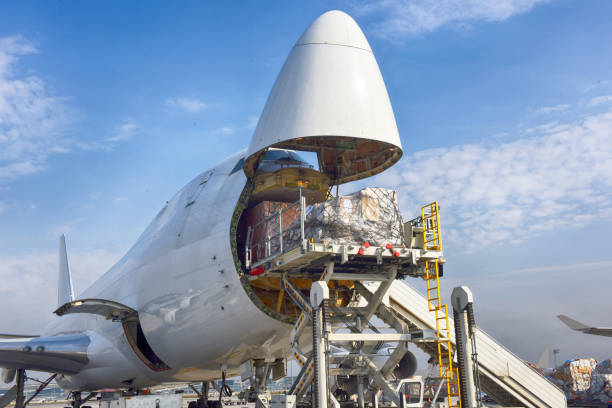
- Ocean freight: Best for large volume, low-cost oversized shipments (e.g., 10+ furniture items). Use 40ft HC (High Cube) containers for tall items. Work with a logistics provider that handles oversized ocean freight customs clearance.
- Air freight: Only for urgent oversized shipments (e.g., peak season restocks). Note that air freight has strict oversized limits and high surcharges—use only when necessary.
3. Master FBA Warehouse Appointment & Delivery Logistics
Solution 1: Book Appointments Early – Oversized FBA warehouse appointments are limited (most warehouses have 1–2 slots per day for oversized deliveries). Book 2–3 weeks in advance via Seller Central. For US FBA, prioritize warehouses with dedicated oversized unloading bays (e.g., ONT8 in California, DFW7 in Texas).
Solution 2: Use a Logistics Provider with FBA Appointment Expertise – Choose a partner that handles FBA appointment scheduling on your behalf. Reputable providers have relationships with Amazon’s warehouse teams and can reschedule quickly if delays occur (e.g., due to carrier issues).
Solution 3: Plan for Last-Mile Delivery – Ensure your carrier has the right equipment (forklifts, liftgates) for delivering oversized items to FBA warehouses. Many FBA warehouses require carriers to have their own unloading equipment—missing this leads to delivery failure.
4. Manage Cross-Border Compliance for Oversized Items
For US-EU cross-border oversized shipping, compliance is make-or-break. Here’s what to focus on:
- Product Certifications: US sellers shipping to EU FBA need CE certification for oversized items like power tools, furniture with electrical components, or outdoor equipment. EU sellers shipping to US FBA need FCC approval for electronic oversized items and FDA approval for oversized medical equipment.
- HS Code Classification: Accurately classify your oversized items with the correct HS code (e.g., 9403 for furniture, 8516 for electric heaters). Incorrect classification leads to customs delays and incorrect duty calculations.
- Duty & Tax Planning: Oversized items often have higher duty rates (e.g., 10–20% for furniture in the EU). Work with a logistics provider that offers duty/tax pre-calculation to avoid unexpected costs.
How to Choose the Right Oversized FBA Logistics Partner (US & European Seller Checklist)
A specialized logistics partner is critical for successful oversized FBA shipping. US and European sellers should prioritize these criteria:
- Oversized FBA Expertise: Choose a provider with proven experience shipping oversized items to US and EU FBA warehouses. Ask for case studies (e.g., “furniture shipping to US FBA ONT8” or “industrial equipment to EU FBA DE5”) and references from other oversized sellers.
- Specialized Equipment & Carriers: Ensure the provider works with carriers that have flatbed trucks, liftgates, and forklifts for oversized handling. For cross-border shipping, confirm they have access to oversized ocean/air freight options.
- End-to-End Service: Look for providers that offer full-service support: packaging guidance, FBA compliance checks, appointment scheduling, customs clearance, real-time tracking, and damage claims support. Avoid providers that outsource critical steps (e.g., last-mile delivery) to third parties.
- Transparent Pricing: Request a detailed quote that includes all costs: freight, handling, surcharges (oversized, fuel, residential), customs fees, and FBA delivery fees. Avoid providers with vague “oversized surcharge” language—get exact amounts in writing.
- Damage Protection & Claims: Confirm the provider offers cargo insurance tailored to oversized items (standard insurance often doesn’t cover full value). Ask about their damage claims process—look for partners that resolve claims in 7–14 days (not months).
- 24/7 Support: Oversized shipping issues (e.g., delivery delays, customs holds) can happen at any time. Choose a provider with 24/7 English support to resolve issues quickly.
Cost-Saving Tips for Oversized FBA Shipping
- Consolidate Shipments: Combine multiple oversized items into a single shipment (FTL or full container) to reduce per-unit freight costs. For example, shipping 10 furniture items via FTL is cheaper than 10 separate LTL shipments.
- Negotiate Volume Discounts: If you ship oversized items regularly, negotiate volume discounts with your logistics provider. Many providers offer 10–20% off for repeat oversized FBA shipments.
- Avoid Peak Season Shipping: FTL/ocean freight rates for oversized items surge during Q4 (October–December). Ship 2–3 months in advance to lock in lower rates and secure FBA appointments.
- Optimize Palletization: Stack oversized items on pallets efficiently to maximize space (e.g., stack flat-pack furniture vertically). This reduces the number of pallets needed, lowering handling and freight costs.
Ready to Simplify Your Oversized FBA Shipping?
Oversized FBA shipping doesn’t have to be a costly, stressful process. With the right compliance focus, packaging strategy, and specialized logistics partner, you can streamline deliveries, reduce damage risk, and keep costs under control—whether you’re a US seller shipping domestic oversized FBA or a European brand expanding to US FBA with bulky items.