Choosing the right international freight shipping method is one of the most critical decisions you’ll make. It directly impacts your costs, delivery timelines, and risk. With a complex network of modes, equipment, and partners, where do you even begin? This guide breaks down everything you need to know to make an informed, cost-effective choice for your business.
Core Modes of International Transport
The choice between sea, air, and land is dictated by your budget, urgency, and the nature of your goods.
Ocean Freight (Sea Shipping): The backbone of global trade, ideal for heavy, high-volume, and non-perishable goods.
Best for: Lowest cost, large shipments, heavy machinery, commodities.
Key Vessels:
Vessel / Shipping Line: The main ocean carrier operating large container ships on fixed routes.
Feeder Vessel / Barge: A smaller ship that transports containers between a main “hub” port and smaller regional ports.
Liner: A vessel operating on a regular, scheduled service between specific ports.
Air Freight: The solution for speed, perfect for high-value, perishable, or time-sensitive products.
Best for: Highest speed, emergency shipments, pharmaceuticals, electronics, samples.
Key Aircraft: Operated by airlines and cargo carriers.
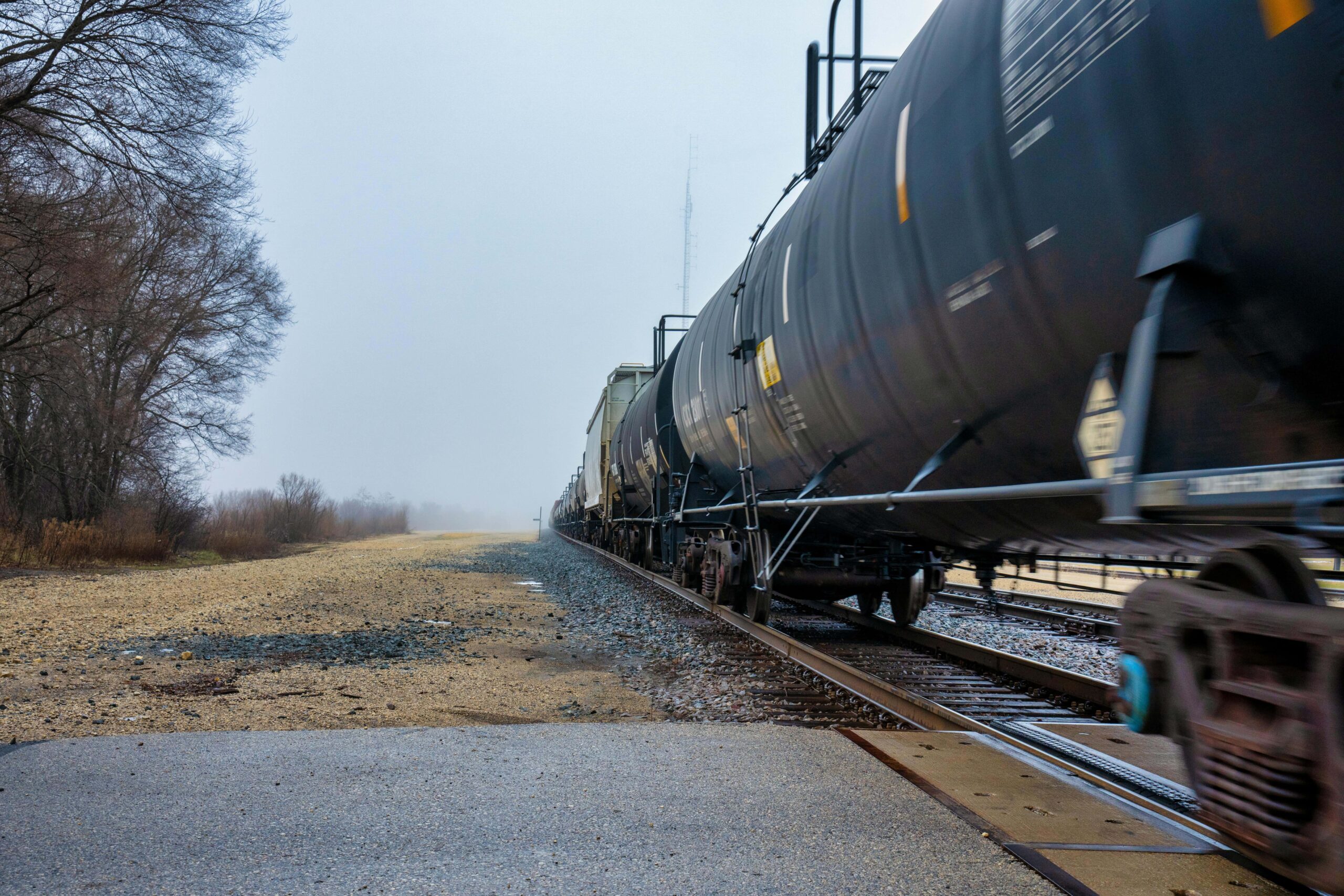
Land Transport (Truck & Rail): Essential for the first and last mile of the journey, connecting ports and airports to origins and final destinations.
Best for: Domestic and cross-border haulage (e.g., US to Canada/Mexico, within the EU).
Key Vehicles:
Truck / Haulier: For door-to-door transport within a region.
Drayage Truck: Specializes in short-distance port/rail transfers.
Intermodal Solutions (Combined Transport): Leveraging the strengths of multiple modes for optimal efficiency and cost.
Sea-Air Freight: A cost-time balance; faster than pure ocean, cheaper than pure air.
Rail-Truck (Landbridge): Using rail for long-haul continental crossing and trucks for local delivery.
A Guide to Standard Shipping Containers
Your choice of container is as important as your mode of transport. Here are the most common types:
| Container Type | Best For | Internal Dimensions (LxWxH) | Door Height | Approx. Volume |
|---|---|---|---|---|
| 20′ Dry Container (20GP) | Dense, heavy goods, machinery | 5.90m x 2.35m x 2.39m | 2.28m | 33 cbm |
| 40′ Dry Container (40GP) | General cargo, lower weight volume | 12.03m x 2.35m x 2.39m | 2.28m | 67 cbm |
| 40′ High Cube Container (40HQ) | Most common for general cargo | 12.03m x 2.35m x 2.70m | 2.58m | 76 cbm |
| 45′ High Cube Container (45HQ) | Maximum volume for lightweight goods | 13.55m x 2.35m x 2.70m | 2.59m | 86 cbm |
Specialized Container Types:
Reefer Container (REEFER): For temperature-controlled cargo (food, pharmaceuticals).
Open Top Container (OT): For oversized cargo that must be loaded from the top.
Flat Rack Container (FR): For extra heavy or oversized machinery and equipment.
The Key Players in Your Shipping Journey
A successful international shipment relies on a coordinated network of partners. Understanding their roles is key.
| Role | Definition & Responsibility |
|---|---|
| Seller / Shipper | The party selling the goods and initiating the export process. |
| Buyer / Importer | The party purchasing the goods and responsible for the import process. |
| Consignee | The final recipient of the goods; often the same as the Buyer. |
| Freight Forwarder | Your primary logistics partner. They coordinate the entire process, from booking cargo space to managing documents. |
| Customs Broker | Licensed specialist who handles the complex customs clearance formalities in the destination country. |
| Shipping Line / Airline | The actual carrier that transports your goods via sea or air. |
| Drayage / Haulage Co. | Provides the trucking service to/from ports, airports, and rail yards. |
| Warehouse / DC | Facility for storing, consolidating, or deconsolidating goods. |
| Customs Authorities | Government body regulating the import and export of goods, collecting duties, and enforcing trade laws. |
| Insurance Company | Provides cargo insurance to protect your goods against loss or damage during transit. |
Don’t Navigate the Complexities of Global Shipping Alone
Selecting the wrong transport mode or container can lead to delays, damaged goods, and unexpected costs. Partner with a logistics expert who can guide you to the most efficient and reliable solution for your specific needs.
>> Get a Free, No-Obligation Shipping Assessment & Compare Your Options Today!
Our experts will analyze your route, cargo, and requirements to recommend the optimal shipping strategy for your budget and timeline.