0 Comments
1 category
For US and European Amazon FBA sellers, selecting the right head haul logistics solution is a make-or-break decision for profit margins and supply chain stability. The market offers four core options—Ocean FCL, Ocean LCL, Air Freight, and Express Air/ Courier—and each comes with distinct trade-offs between cost, speed, and reliability. Many sellers waste time and money by choosing a one-size-fits-all approach, failing to align logistics with their product type, budget, and inventory timeline. This guide compares the top FBA head haul logistics solutions side-by-side, breaks down their ideal use cases for US and EU markets, and provides actionable tips to help you make the optimal choice for your FBA business.
Core FBA Head Haul Logistics Solutions: At-a-Glance Comparison
The table below summarizes the key metrics of four mainstream FBA head haul solutions, focusing on factors US and EU sellers care most about: transit time, cost, scalability, and risk. Use this as a quick reference to narrow down your options:
Logistics Solution | Typical Transit Time (US FBA) | Typical Transit Time (EU FBA) | Cost (Per Cubic Meter/Kg) | Best For | Key Advantages | Key Risks/Disadvantages |
|---|---|---|---|---|---|---|
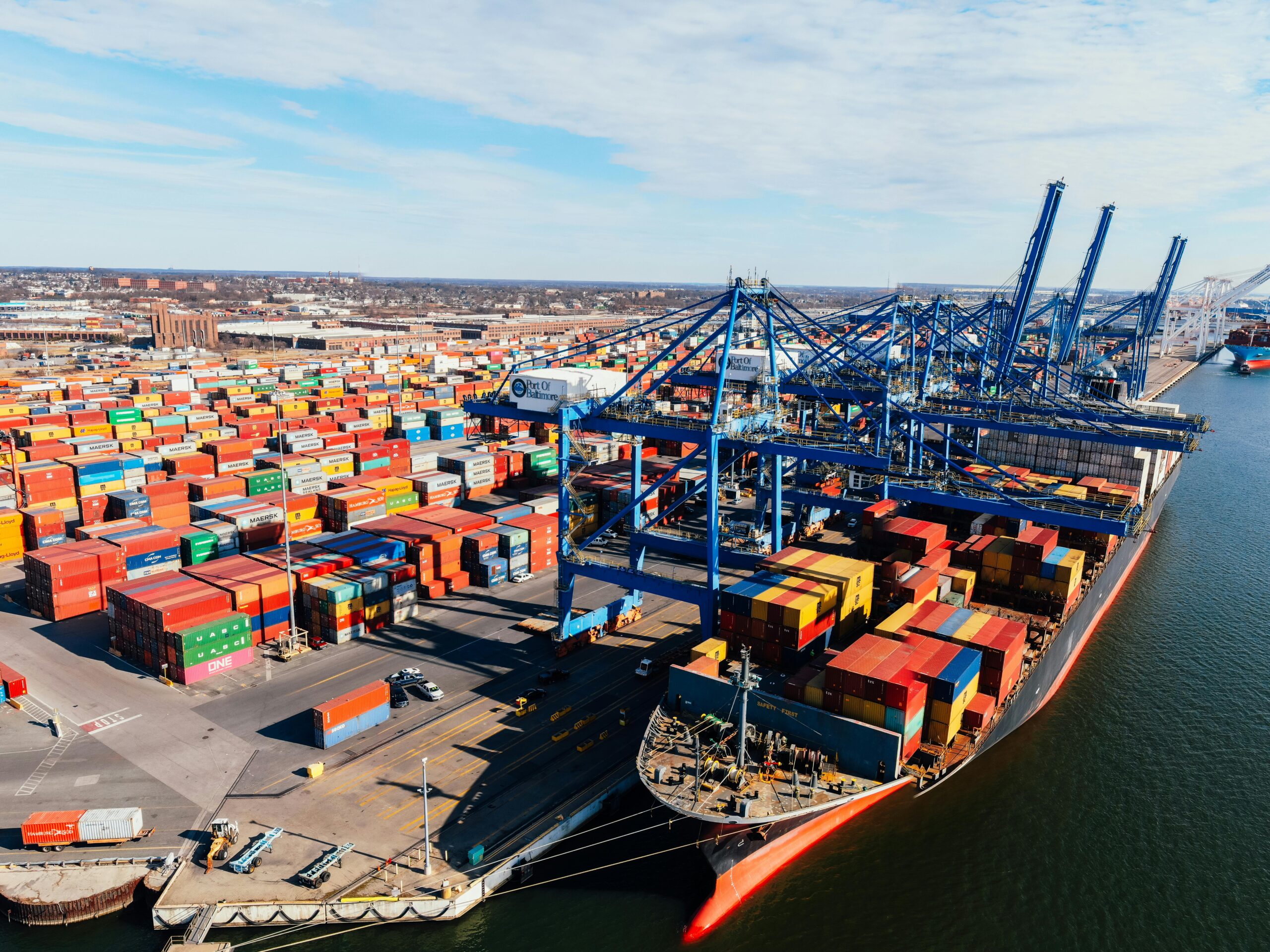
Ocean FCL (Full Container Load) | 2–4 weeks (Asia → US West Coast); 4–6 weeks (Asia → US East Coast) | 3–5 weeks (Asia → EU West Coast); 5–7 weeks (Asia → EU East Coast) | Lowest ($30–$80/cbm) | Bulk inventory, low-cost SKUs (apparel, home goods), long lead times | Lowest cost per unit; secure (exclusive container); predictable for large volumes | Slowest transit; high minimum volume (20–40ft container); port congestion delays |
Ocean LCL (Less than Container Load) | 3–5 weeks (Asia → US); 1–2 weeks extra for consolidation/deconsolidation | 4–6 weeks (Asia → EU); 1–2 weeks extra for consolidation/deconsolidation | Low-Medium ($80–$150/cbm) | Medium-volume inventory, mixed SKUs, sellers without full container needs | No minimum volume; cost-effective for small-to-medium batches; flexible | Longer transit than FCL; higher risk of damage (shared container); consolidation delays |
Air Freight | 5–10 days (Asia → US) | 7–12 days (Asia → EU) | Medium-High ($3–$8/kg) | Top-selling SKUs, high-value products (electronics, cosmetics), peak season restocks | Fast transit; reliable for time-sensitive inventory; lower risk of stockouts | More expensive than ocean; volume limits; subject to airline capacity shortages |
Express Air/Courier (DHL/FedEx/UPS) | 3–5 days (Asia → US) | 3–7 days (Asia → EU) | Highest ($8–$15/kg) | Urgent restocks, small-batch testing, high-value/low-weight products | Fastest transit; door-to-door service; minimal handling; real-time tracking | Most expensive; not scalable for large volumes; high cost for heavy items |
Pro Tip for US/EU Sellers: Use a “hybrid strategy” for optimal results—Ocean FCL/LCL for bulk, long-term inventory, and Air/Express for top sellers or last-minute restocks. This balances cost and speed.
Deep Dive: Each FBA Head Haul Solution (US & EU Market Nuances)
The at-a-glance table helps narrow choices, but understanding market-specific nuances is critical for US and EU sellers. Below is a detailed breakdown of each solution’s practical application in both markets:
1. Ocean FCL: The Cost Leader for Bulk FBA Inventory
Ocean FCL is the go-to for US and EU sellers moving large volumes (20ft/40ft container) of low-margin products. Key market-specific notes:
- US FBA Considerations:
- Port Choice: Ship to US West Coast ports (Los Angeles/Long Beach) for faster transit to Western FBA warehouses (CA, NV); East Coast ports (New York/New Jersey) for Eastern warehouses (TX, FL).
- IOR Requirement: You need a US-based Importer of Record (IOR) — your logistics provider can act as IOR if you don’t have a US presence.
- Peak Season Planning: Book 6–8 weeks in advance during Q4 (October–December) to avoid port congestion and container shortages.
- EU FBA Considerations:
- Port Choice: Rotterdam (Netherlands) or Hamburg (Germany) are ideal for Western EU FBA warehouses (DE, FR, UK); Piraeus (Greece) for Eastern EU (PL, CZ).
- EORI & VAT: Mandatory EORI number and VAT registration for imports. Use the EU OSS (One-Stop Shop) to simplify VAT filing across multiple EU countries.
- ICS2 Pre-Notification: Submit cargo details via the EU Import Control System 2 (ICS2) 4 hours before vessel arrival to avoid delays.
2. Ocean LCL: Flexible for Medium-Volume FBA Sellers
Ocean LCL is perfect for US and EU sellers who can’t fill a full container but want to avoid air freight costs. Critical market-specific tips:
- US FBA Considerations:
- Deconsolidation: Choose a logistics provider with a deconsolidation facility near your target FBA warehouse (e.g., Chicago for Midwest warehouses) to reduce final-mile costs.
- Labeling: Ensure FBA labels are clearly marked on each carton — LCL shipments are sorted multiple times, increasing the risk of misplaced items.
- EU FBA Considerations:
- Groupage Services: Ask your forwarder about “post-deconsolidation groupage” to ship to multiple EU FBA warehouses (e.g., DE, FR, IT) in one LCL shipment — saves on final-mile costs.
- Customs Clearance: LCL shipments are more likely to be inspected by EU Customs — ensure product certifications (CE, CPNP) and HS codes (EU TARIC) are accurate.

3. Air Freight: The Speed-Cost Balance for Critical FBA Inventory
Air freight is the sweet spot for US and EU sellers needing faster transit than ocean but lower costs than express. Key market-specific details:
- US FBA Considerations:
- Airport Choice: Major hubs (LAX, JFK, ORD) offer faster connections to FBA warehouses. For example, LAX to Amazon CA warehouses takes 1–2 days post-clearance.
- ACE Filing: All clearance documents must be filed via CBP’s Automated Commercial Environment (ACE) system — use an ACE-certified broker.
- EU FBA Considerations:
- ICS2 for Air: Air freight to the EU requires ICS2 pre-notification 24 hours before departure — missing this deadline leads to significant delays.
- VAT on Air Freight: VAT is applied to air freight costs (unlike some ocean fees) — factor this into your budget.
4. Express Air/Courier: Urgent FBA Restocks & Small-Batch Testing
Express air (DHL, FedEx, UPS) is a premium solution for US and EU sellers facing emergency stockouts or testing new markets. Market-specific considerations:
- US FBA Considerations:
- Door-to-FBA Service: Most couriers offer direct delivery to FBA warehouses — confirm with your provider that they’re Amazon-approved (avoids rejection).
- Customs Brokerage: Couriers include brokerage services, but you still need to provide accurate documentation (FDA, FCC certifications) to avoid holds.
- EU FBA Considerations:
- EORI for Couriers: Provide your EORI number to the courier upfront — they’ll handle customs clearance but need this to file entries.
- Delivery Timelines: Express to remote EU FBA warehouses (e.g., Sweden, Finland) may take 1–2 extra days — factor this into emergency restock plans.
How to Choose the Right FBA Head Haul Solution (Step-by-Step Guide)
Use this 4-step process to align logistics with your FBA business needs (US & EU sellers):
Step 1: Analyze Your Product & Profit Margins
- Low-margin, high-weight products (e.g., furniture, bulk apparel): Ocean FCL (lowest cost per unit).
- High-margin, time-sensitive products (e.g., electronics, cosmetics): Air Freight or Express.
- Mixed SKUs or small batches: Ocean LCL (flexible, no minimum volume).
Step 2: Align with Inventory Timeline
- 6+ weeks until stockout: Ocean FCL/LCL (maximize cost savings).
- 2–4 weeks until stockout: Air Freight (balance speed and cost).
- Less than 2 weeks until stockout: Express Air (avoid lost sales).
Step 3: Factor in Market-Specific Compliance
- US FBA: Prioritize providers with US IOR and ACE-certified brokers (critical for compliance).
- EU FBA: Choose providers with EORI/VAT expertise and ICS2 pre-notification experience.
Step 4: Calculate Total Cost (Not Just Shipping)
- Include hidden costs: Customs duties, port handling fees, final-mile delivery to FBA, and FBA storage fees (ocean’s longer transit may mean higher storage costs — balance this with shipping savings).
Top 5 Mistakes to Avoid When Choosing FBA Head Haul Logistics
- Choosing the Cheapest Option Blindly: A low-cost ocean FCL provider may lack US/EU FBA expertise, leading to clearance delays and FBA rejections — vet providers for FBA track record.
- Underestimating Transit Time: Add 1–2 weeks to carrier estimates (port congestion, weather, customs) to avoid stockouts.
- Ignoring Volume Requirements: Ocean FCL requires minimum volume — if you can’t fill a container, LCL is cheaper than paying for unused space.
- Forgetting Product-Specific Restrictions: Lithium batteries (UN38.3) or cosmetics (FDA/CPNP) have special requirements for air/ocean — confirm your provider can handle them.
- Not Testing New Solutions: Don’t stick to one logistics type — test LCL for new SKUs or air freight for peak season to find the optimal mix.
Choosing the right FBA head haul logistics solution shouldn’t be a guesswork — it should be a data-driven decision aligned with your product, budget, and market. Whether you’re a US seller scaling bulk inventory to domestic FBA warehouses or a European seller expanding to US FBA, we specialize in matching FBA businesses with tailored logistics solutions. Our team will analyze your needs, compare options, and handle end-to-end compliance (IOR/EORI, customs, FBA labeling) to ensure smooth, cost-effective shipments.
Contact us today for a free, personalized FBA head haul logistics comparison quote. Get our exclusive “FBA Logistics Solution Selection Checklist” to streamline your decision-making, and let’s turn logistics from a headache into a competitive advantage for your FBA business.