
0 Comments
1 category
As a US or European Amazon seller sourcing goods from China (or other global suppliers), your biggest FBA headache is likely this: How long will my head-haul shipment take to reach Amazon’s FBA warehouse, and can I avoid costly stock-outs or late inventory penalties? Unpredictable FBA head-haul warehousing time can derail your sales plans—especially during peak seasons like Black Friday, Cyber Monday, or European Christmas. Is the “7-day air freight” claim realistic? Why does sea freight to US FBA take 30+ days sometimes? This guide breaks down everything you need to know about FBA head-haul warehousing time—key influencing factors, transport mode comparisons, site-by-site time estimates, and pro tips to speed up delivery—so you can plan inventory, hit sales targets, and stay compliant with Amazon’s FBA rules.
What Is FBA Head-Haul Warehousing Time, and Why It Matters for Your Business
FBA head-haul warehousing time refers to the total duration from when your goods leave your supplier’s warehouse (e.g., in China) to when they’re officially received and available for sale at Amazon’s FBA warehouse (in the US, EU, or UK). Unlike standard shipping time, it includes all critical steps: origin handling, international transit, customs clearance, destination handling, and Amazon’s FBA receiving process. For US and European sellers, this time directly impacts: – Inventory turnover: Slow head-haul means tying up capital in unsold stock. – Stock-out risk: Delays can leave your listings inactive during high-demand periods. – Amazon penalties: Late arrival for promoted sales or non-compliant packaging can lead to fees or listing restrictions. – Customer satisfaction: Fast inventory restocks ensure consistent order fulfillment and positive reviews.
Key Factors That Impact FBA Head-Haul Warehousing Time
FBA head-haul warehousing time isn’t one-size-fits-all. Four core factors determine how long your shipment will take—understanding these helps you set accurate expectations and avoid surprises:
1. Transport Mode (The Biggest Driver)
Your choice of shipping method (express, air freight, sea freight, rail) is the top factor affecting时效. Each option balances speed and cost, with clear trade-offs for FBA sellers: – Express (DHL/FedEx/UPS): Fastest but most expensive—ideal for urgent restocks or small-batch goods. – Air Freight: Balanced speed and cost—popular for mid-volume, time-sensitive shipments. – Sea Freight (FCL/LCL): Cheapest but slowest—best for large-volume, non-urgent inventory. – Rail Freight (China-Europe): Middle ground for Europe-bound shipments—faster than sea, cheaper than air.
2. Origin & FBA Warehouse Location
Distance and warehouse accessibility matter: – US FBA: West Coast warehouses (ONT8, LAX9, SNA4) are closer to Chinese ports, so sea/air freight takes 5-10 days less than East Coast warehouses (EWR9, JFK8, ATL6). – European FBA: Major hubs (Germany’s FRA1, UK’s LHR3, France’s CDG1) have faster transit than remote warehouses (e.g., Spain’s MAD1, Italy’s MXP5). – Origin: Shipments from coastal Chinese cities (Shanghai, Ningbo) are faster than inland cities (Chengdu, Chongqing) due to shorter origin handling time.
3. Peak Seasons & Amazon FBA Congestion
Timing is critical for FBA head-haul: – Global peaks: Pre-Chinese New Year (Jan-Feb), Amazon Prime Day (July), Black Friday/Cyber Monday (Nov), and European Christmas (Oct-Nov) cause shipping delays and FBA warehouse backlogs—add 3-10 days. – Amazon FBA receiving delays: During peak, Amazon’s receiving process can take 2-5 days (vs. 1-2 days off-peak) due to high shipment volume.
4. Customs Clearance & Documentation Compliance
Delays often happen at customs—especially for first-time sellers or non-compliant shipments: – US: Missing HS codes, inaccurate commercial invoices, or non-compliant product certifications (e.g., FCC, FDA) can delay clearance by 3-7 days. – Europe: Lack of VAT/IOSS numbers, incomplete CE marking, or incorrect EPR registration can cause 5-10 days of hold-ups. – Amazon-specific docs: Missing FBA shipment labels, non-compliant packaging (e.g., oversized boxes), or incorrect ASIN labeling can lead to rejections at the warehouse—adding more time.
FBA Head-Haul Warehousing Time: Site-by-Site Estimates (2024)
Below are realistic FBA head-haul warehousing time ranges for shipments from China (Shanghai/Ningbo) to major US and European FBA warehouses. Times includeall steps: origin handling, transit, customs clearance, destination handling, and Amazon receiving. Peak season delays (3-10 days) are noted separately.
FBA Region & Warehouse | Express (DHL/FedEx) | Air Freight | Sea Freight (FCL) | Peak Season Delay (Add) |
|---|---|---|---|---|
US West Coast (ONT8, LAX9) | 3-5 days | 7-10 days | 25-35 days | 3-7 days |
US East Coast (EWR9, ATL6) | 4-6 days | 9-12 days | 35-45 days | 5-10 days |
Germany (FRA1, DUS3) | 4-6 days | 8-11 days | 30-40 days | 4-8 days |
UK (LHR3, MAN1) | 3-5 days | 7-9 days | 28-38 days | 3-7 days |
France (CDG1, ORY1) | 4-7 days | 9-12 days | 32-42 days | 4-9 days |
Special Note: China-Europe Rail for European FBA
For Europe-bound FBA shipments, rail freight is a popular middle option: – Transit time (Shanghai → Germany FBA): 18-25 days (including all steps). – Advantage: Cheaper than air freight, faster than sea freight, and less weather-dependent than both. – Peak delay: Add 3-5 days during high-demand periods.
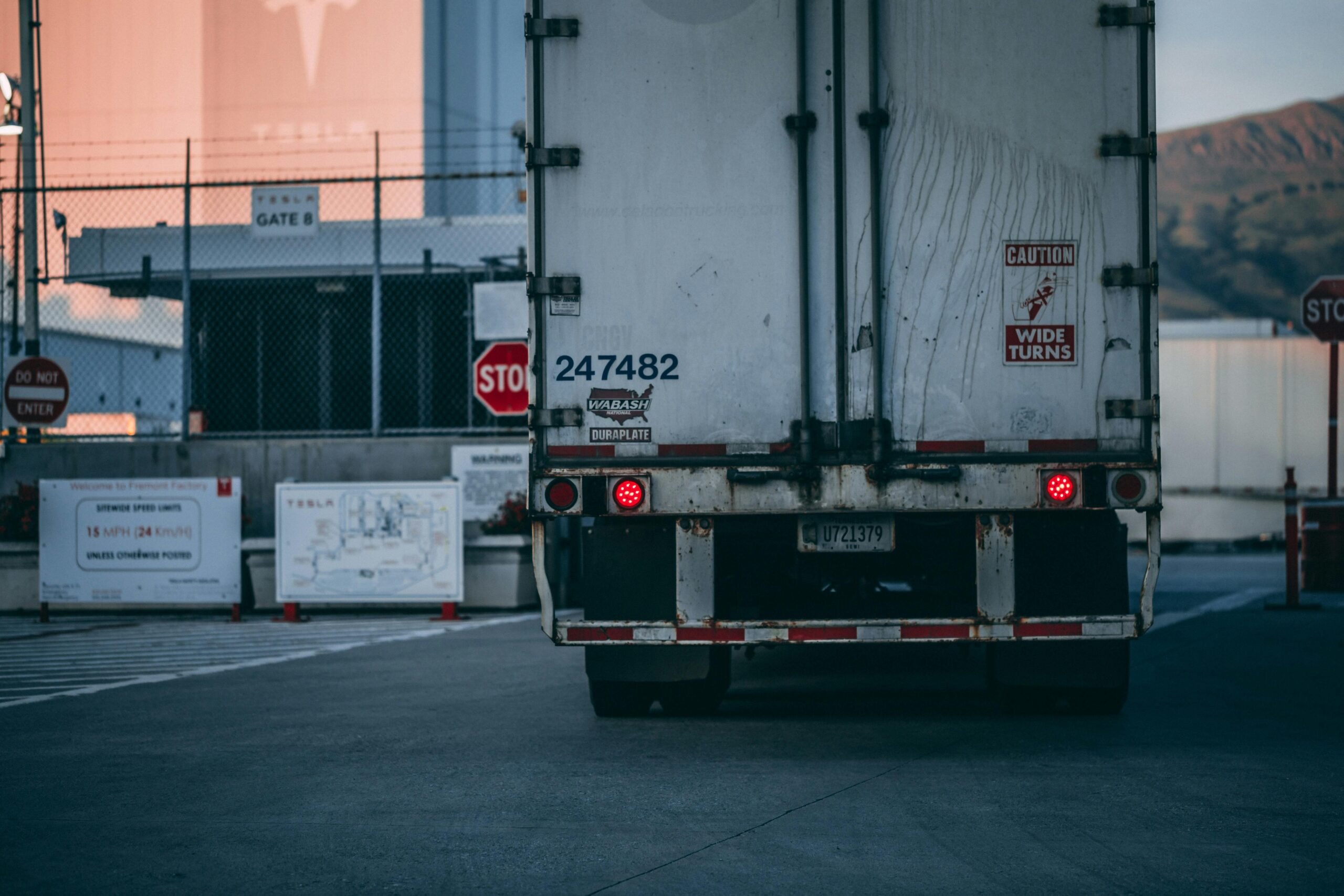
FBA Head-Haul Transport Mode Comparison: Which Is Right for You?
Choosing the right transport mode depends on your budget, timeline, and inventory needs. Here’s a quick breakdown for US and European sellers:
Transport Mode | Best For | Key Advantage | Key Disadvantage |
|---|---|---|---|
Express | Urgent restocks, small batches, new product launches | Fastest; Amazon receives in 3-7 days | Most expensive (5-10x sea freight cost) |
Air Freight | Mid-volume, time-sensitive inventory (e.g., pre-Prime Day) | Balanced speed & cost; predictable timeline | More expensive than sea/rail |
Sea Freight (FCL) | Large-volume, non-urgent inventory (e.g., bulk restocks) | Cheapest; high capacity | Slowest; high peak season delay risk |
Rail Freight (Europe-only) | Europe-bound mid-volume shipments | Faster than sea, cheaper than air | Limited to Europe; not available for US FBA |
Pro Tips to Shorten FBA Head-Haul Warehousing Time & Avoid Delays
For US and European Amazon sellers, these actionable tips will help you optimize your FBA head-haul timeline and minimize risks:
1. Plan Ahead & Avoid Peak Seasons
Book shipments 4-6 weeks in advance during peak seasons (Prime Day, Black Friday) to secure transport space and avoid FBA warehouse backlogs. For non-urgent inventory, ship during off-peak months (Jan-Mar, Apr-Jun) to get faster, more reliable timelines.
2. Ensure Documentation Compliance
Don’t let customs hold-ups derail your shipment: – US: Prepare accurate commercial invoices with HS codes, FCC/FDA certifications (if applicable), and Amazon’s FBA shipment ID. – Europe: Secure VAT/IOSS numbers, CE marking, EPR registration, and UKCA marking (for UK FBA). – Work with a logistics provider to audit your docs—this cuts clearance time by 3-5 days.
3. Optimize Packaging & Labeling
Amazon’s FBA receiving process is faster if your shipment is compliant: – Use Amazon-approved packaging (no oversized/overweight boxes). – Label each box with the correct FBA shipment label, ASIN, and product count. – Avoid mixed-SKU boxes unless necessary—they take longer to process.
4. Choose a Logistics Provider with FBA Expertise
Not all logistics companies understand FBA’s rules. Partner with one that specializes in FBA head-haul—they’ll handle Amazon-specific requirements, track your shipment in real time, and resolve issues (e.g., customs delays) proactively.
Why Work With an FBA-Specialized International Logistics Provider?
FBA head-haul is more complex than standard shipping—Amazon’s strict rules and tight timelines require expertise. A specialized provider offers three key advantages for US and European sellers:
- FBA Compliance Expertise: They know Amazon’s packaging, labeling, and documentation requirements—avoiding rejections and delays at the warehouse.
- Real-Time Tracking & Alerts: Full visibility from supplier to FBA warehouse, with proactive alerts if delays occur (e.g., customs hold-ups, peak season backlogs).
- Tailored Solutions: They’ll match you with the right transport mode (express/air/sea/rail) based on your timeline and budget—maximizing efficiency and minimizing cost.
Get a Free FBA Head-Haul Warehousing Time Estimate & Quote Today
Tired of unpredictable FBA head-haul timelines derailing your sales? We specialize in FBA head-haul shipping for US and European Amazon sellers, offering transparent warehousing time estimates, compliance support, and end-to-end logistics management. Our team will work with you to understand your FBA warehouse location, shipment volume, and timeline, then provide a detailed, no-obligation quote—with no hidden fees.
To get your free estimate:
- Fill out our online form with your supplier location, FBA warehouse ID, cargo details (weight, volume, SKUs), and desired timeline.
- Receive a personalized FBA head-haul warehousing time estimate and quote within 24 hours.
- Speak with our FBA specialist to answer any questions, review your documentation, and finalize your shipment plan.
Category: Logistics transportation timeliness