0 Comments
1 category
For US and European Amazon FBA sellers, balancing efficient inventory restock and cost control is a constant battle. Relying solely on FBA first leg shipping often leads to profit-draining issues: sky-high peak-season FBA storage fees, stockouts from delayed shipments, and inflexible return processing. The solution? Integrating FBA first leg shipping with a strategic overseas warehouse network. This hybrid logistics model combines the speed of FBA for direct-to-consumer fulfillment with the flexibility of overseas warehouses for inventory buffering, cost optimization, and risk mitigation. This guide breaks down why FBA first leg & overseas warehouse integration works for US and European sellers, actionable implementation strategies, how to choose the right partners, and common pitfalls to avoid. Designed for practical application, it’s your roadmap to building a resilient, cost-effective FBA logistics ecosystem.
Why US & European Sellers Need FBA First Leg & Overseas Warehouse Integration
The hybrid model of FBA first leg + overseas warehouse addresses the most painful logistics challenges US and European sellers face. Here’s the core value it delivers:
- Eliminate Stockouts & Speed Up Fulfillment: Overseas warehouses act as a local inventory hub—you can ship bulk inventory via cost-effective FBA first leg (sea freight) to the overseas warehouse, then replenish FBA warehouses with small-batch, fast air/road shipments as needed. This ensures FBA inventory levels stay consistent, even during peak seasons (Black Friday, Christmas) or supply chain disruptions.
- Slash Peak-Season Storage Costs: Amazon’s FBA storage fees surge during Q4 (October-December) for US and EU warehouses. Storing overflow inventory in an overseas warehouse (with lower monthly storage rates) and only sending what’s needed to FBA reduces your FBA storage bill significantly—saving thousands for high-volume sellers.
- Streamline FBA Returns & Refurbishment: Returned FBA inventory can be routed to an overseas warehouse instead of being discarded or stuck in FBA. Overseas warehouses can inspect, sort, refurbish, or repackage returns, then re-send sellable items to FBA or fulfill them directly via other channels (e.g., eBay, Shopify)—recovering revenue that would otherwise be lost.
- Mitigate Logistics Risks: Cross-border FBA first leg shipping is prone to delays (port congestion, customs holds, carrier capacity issues). An overseas warehouse provides a safety net—if your FBA first leg shipment is delayed, you can fulfill orders from the overseas warehouse to avoid lost sales and negative customer reviews.
- Support Omnichannel Fulfillment: For sellers expanding beyond Amazon (e.g., DTC websites, social media sales), overseas warehouses can fulfill non-FBA orders directly, while FBA handles Amazon sales. This creates a unified logistics system, reducing operational complexity.
Proven Integration Models for FBA First Leg & Overseas Warehouse
US and European sellers can adopt different integration models based on their market focus (domestic or cross-border) and inventory volume. Below are the most effective, actionable approaches:
1. Bulk Shipment + FBA Replenishment Model (Best for US Domestic Sellers)
This model works for US sellers shipping from US manufacturing hubs to US FBA warehouses (e.g., California to ONT8, Texas to DFW7). How It Works: Ship bulk inventory (via cost-effective LTL/FTL trucking as FBA first leg) to a regional overseas warehouse (e.g., a Nevada warehouse for West Coast FBA, a Tennessee warehouse for East Coast FBA). Use the overseas warehouse to store overflow inventory and send small-batch replenishments to FBA warehouses as inventory levels drop. This reduces FBA storage costs and ensures fast fulfillment across the US.Key Benefit: Avoids the cost of air freight for urgent FBA restocks—you can keep inventory close to FBA warehouses via the overseas hub, ensuring 1-2 day replenishment.
2. Cross-Border Buffer Model (Best for EU-US Cross-Border Sellers)
Ideal for European sellers expanding to US FBA (e.g., Germany to US FBA) or US sellers entering EU FBA (e.g., US to UK/German FBA). How It Works: Use sea freight as the primary FBA first leg to ship bulk inventory from your home market to an overseas warehouse in the target market (e.g., US sellers shipping to a UK overseas warehouse for EU FBA). The overseas warehouse handles customs clearance, stores inventory, and fulfills small-batch shipments to local FBA warehouses (e.g., UK FBA’s LHR3, German FBA’s DE5). For urgent restocks, use air freight from the overseas warehouse to FBA.Key Benefit: Reduces cross-border shipping costs (sea freight vs. air) and eliminates customs delays for FBA replenishments—since inventory is already cleared and stored locally.
3. Return Processing + FBA Rejection Recovery Model (All Sellers)
A critical model for sellers struggling with FBA returns or inventory rejections.How It Works: Route FBA returns or rejected inventory (e.g., mislabeled, damaged) to an overseas warehouse. The warehouse inspects items, sorts sellable vs. unsellable inventory, re-labels FNSKU/EAN codes, refurbishes eligible items, and re-sends sellable inventory to FBA. Unsellable items can be liquidated or donated locally to avoid disposal fees.Key Benefit: Recovers 30-50% of lost revenue from returns and reduces FBA penalty risks from rejected inventory.
4. Peak-Season Overflow Model (High-Volume Sellers)
Designed to handle Q4 peak season for US and EU FBA sellers. How It Works: 2-3 months before peak season (July-August), ship extra inventory via FBA first leg sea freight to an overseas warehouse. As FBA storage fees increase in Q4, keep only fast-moving inventory in FBA and store slow-moving/overflow inventory in the overseas warehouse. Fulfill urgent orders from FBA and use the overseas warehouse for backup or non-Amazon orders.Key Benefit: Cuts Q4 FBA storage costs by 40-60% and avoids stockouts during the highest-demand period.
Step-by-Step Guide to Integrating FBA First Leg & Overseas Warehouse
Follow this actionable workflow to implement the hybrid model successfully, tailored to US and European sellers:
1. Define Your Logistics Goals & Inventory Strategy
- Set Clear Objectives: Identify your priorities (e.g., reduce FBA storage costs, speed up cross-border FBA replenishment, improve return recovery). This will guide your overseas warehouse location and FBA first leg shipping mode (sea/air/road) selection.
- Analyze Inventory Data: Use Amazon Seller Central to identify fast-moving vs. slow-moving SKUs. Fast-moving items should stay in FBA; slow-moving/overflow items go to the overseas warehouse.

2. Choose the Right Overseas Warehouse Location
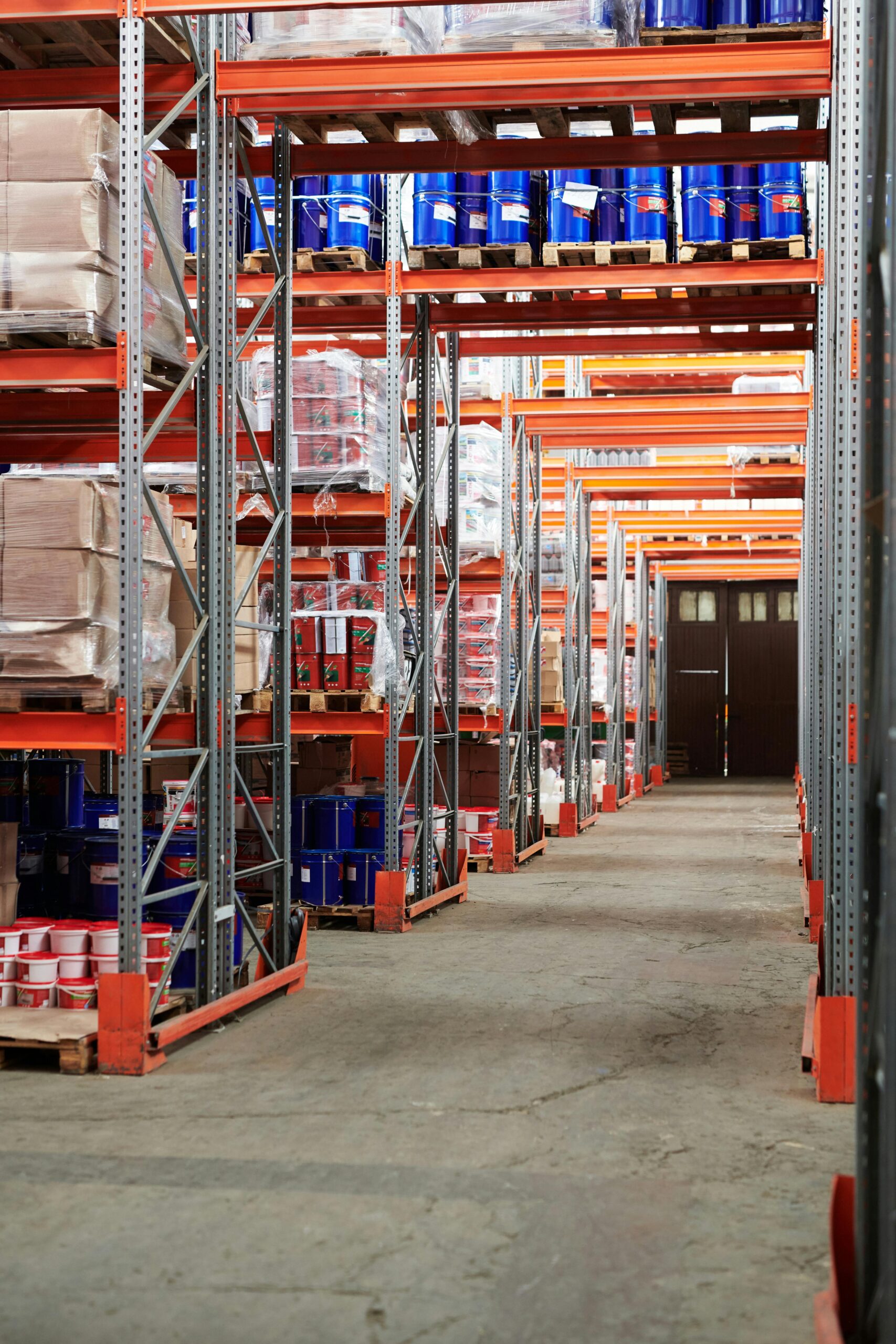
- US Sellers: For domestic FBA, pick a warehouse near major FBA hubs (e.g., Nevada for West Coast FBA, Kentucky for East Coast FBA) to minimize replenishment transit time. For EU expansion, choose a warehouse in the EU’s logistics hub (e.g., Netherlands, Germany) to serve multiple EU FBA countries.
- European Sellers: For domestic EU FBA, select a warehouse in a central location (e.g., Belgium) to cover UK, German, and French FBA warehouses. For US expansion, choose a warehouse in California or Texas (major US FBA hubs) for fast replenishment.
3. Select a FBA First Leg & Overseas Warehouse Partner
The best results come from partnering with a logistics provider that offers both FBA first leg shipping and integrated overseas warehouse services. Prioritize these criteria for US/European sellers:
- End-to-End Integration: The provider should offer seamless coordination between FBA first leg shipping (customs clearance, transit) and overseas warehouse operations (storage, sorting, replenishment shipping to FBA).
- Real-Time Inventory Visibility: Ensure the provider has a user-friendly portal with real-time inventory tracking (e.g., stock levels in overseas warehouse vs. FBA, order fulfillment status) and integration with Amazon Seller Central.
- Local Expertise: For cross-border integration, the provider should have deep knowledge of target market regulations (e.g., US customs, EU VAT) and FBA requirements (e.g., FNSKU labeling, appointment scheduling).
- Transparent Pricing: Look for all-inclusive pricing for FBA first leg (no hidden customs fees) and clear overseas warehouse costs (storage, handling, replenishment shipping). Avoid providers with vague “service fees.”
4. Optimize FBA First Leg Shipping & Replenishment Schedules
- Use Sea Freight for Bulk Inventory: Ship bulk inventory to the overseas warehouse via sea freight (cost-effective for large volumes). For US-EU cross-border, this reduces shipping costs by 60-70% compared to air freight.
- Set Up Automated Replenishment: Work with your logistics partner to set up automated triggers (e.g., when FBA inventory drops below 20 units, send a replenishment from the overseas warehouse). This eliminates manual monitoring and ensures consistent stock levels.
5. Monitor & Optimize the Hybrid System
- Track Key Metrics: Monitor FBA storage costs, replenishment transit times, stockout rates, and return recovery rates. Use this data to adjust your inventory allocation (how much to keep in FBA vs. overseas warehouse).
- Adjust for Seasonality: Increase overseas warehouse inventory before peak season to avoid FBA storage surcharges. Reduce overseas inventory during slow seasons to cut storage costs.
Common Pitfalls to Avoid with FBA First Leg & Overseas Warehouse Integration
- Choosing the Wrong Warehouse Location: A warehouse too far from FBA hubs increases replenishment time and costs. Prioritize proximity to high-volume FBA warehouses.
- Overstocking the Overseas Warehouse: Storing too much slow-moving inventory in the overseas warehouse eats into profits. Use sales data to optimize inventory levels.
- Ignoring Integration Technology: Without real-time inventory tracking, you risk stockouts or overstocking. Invest in a provider with robust integration with Seller Central.
- Working with Multiple Uncoordinated Partners: Using one provider for FBA first leg and another for overseas warehouse leads to communication gaps and delays. Choose a single provider for end-to-end integration.
Ready to Build a Resilient FBA Logistics System?
Integrating FBA first leg shipping with an overseas warehouse isn’t just a logistics upgrade—it’s a profit-boosting strategy that solves the biggest pain points for US and European FBA sellers. By combining cost-effective bulk shipping with local inventory buffering, you can eliminate stockouts, slash storage costs, recover revenue from returns, and build a logistics system that scales with your business.