0 Comments
1 category
For US and European importers, exporters, and supply chain managers, choosing between fast and slow ocean freight is a critical decision that balances cost, transit time, and business goals. Missed deadlines from slow shipping can derail production or holiday sales, while overspending on fast shipping eats into profit margins. This guide breaks down the key differences in fast vs slow ship transit times, real-world timelines for major global routes, factors that impact delivery speed, and how to choose the right option for your needs—helping you optimize your logistics strategy and avoid costly mistakes.
Key Definitions: What Are Fast Ships vs Slow Ships in Global Logistics?
Before diving into transit times, it’s important to clarify the two main categories of ocean freight ships,According to the industry standard definition and adopted by logistics professionals in Europe and America:
- Fast Ships (Express/Overnight Ocean Freight): Typically refer to container ships with a speed of 25–30 knots (28–34 mph). These are often used for time-sensitive cargo and are part of “express” ocean services. They prioritize speed over capacity, with fewer port calls to minimize transit time. Common examples include premium services like Maersk’s Transatlantic Express or CMA CGM’s Asia-Europe Fast Lane.
- Slow Ships (Standard/Economy Ocean Freight): These are conventional container ships with a speed of 15–20 knots (17–23 mph). They focus on cost efficiency and maximum cargo capacity, making more port calls along the route. Slow ships are the most common option for non-time-sensitive goods and are offered by all major carriers as their standard service.
Real-World Transit Time Comparison: Major Routes for US & European Clients
Transit times vary significantly by route, but the gap between fast and slow ships is consistent across key trade lanes. Below are 2024 industry benchmark transit times for the most common routes relevant to US and European businesses (times are door-to-door, including port handling and customs clearance):
1. Asia to Europe (e.g., Shanghai → Rotterdam/Antwerp)
- Fast Ship: 18–22 days
- Slow Ship: 30–40 days
- Key Note: Fast services here skip secondary ports in Southeast Asia, sailing directly from China to Northern Europe. Slow services may stop in Singapore, Malaysia, or Greece, adding 10–15 days to transit.
2. Asia to US West Coast (e.g., Ningbo → Los Angeles/Long Beach)
- Fast Ship: 8–12 days
- Slow Ship: 18–25 days
- Key Note: Fast trans-Pacific services use “direct call” routes, while slow services often include stops in South Korea or Japan, or take a more southerly route to avoid weather delays (adding 5–10 days).
3. Asia to US East Coast (e.g., Shenzhen → New York/Savannah)
- Fast Ship: 22–28 days (via Panama Canal, express service)
- Slow Ship: 35–45 days (via Panama Canal, standard service) or 45–55 days (via Suez Canal for larger vessels)
4. Europe to US East Coast (e.g., Hamburg → New York)
- Fast Ship: 6–8 days (transatlantic express)
- Slow Ship: 12–16 days (standard transatlantic service with additional port calls in the UK or Canada)
Factors That Impact Fast & Slow Ship Transit Times
Even with the above benchmarks, transit times can vary. Below are the top factors that affect how fast (or slow) your cargo arrives—critical knowledge for US and European businesses to plan effectively:
1. Port Calls & Route Design
Fast ships make 2–3 port calls per route, while slow ships may make 5–8. Each additional port adds 1–3 days of transit time (due to unloading/loading and berthing delays). For example, a slow ship from Shanghai to Rotterdam may stop in Hong Kong, Singapore, Colombo, and Piraeus before reaching its final destination—doubling the transit time of a fast ship that sails directly.
2. Port Congestion & Operational Efficiency
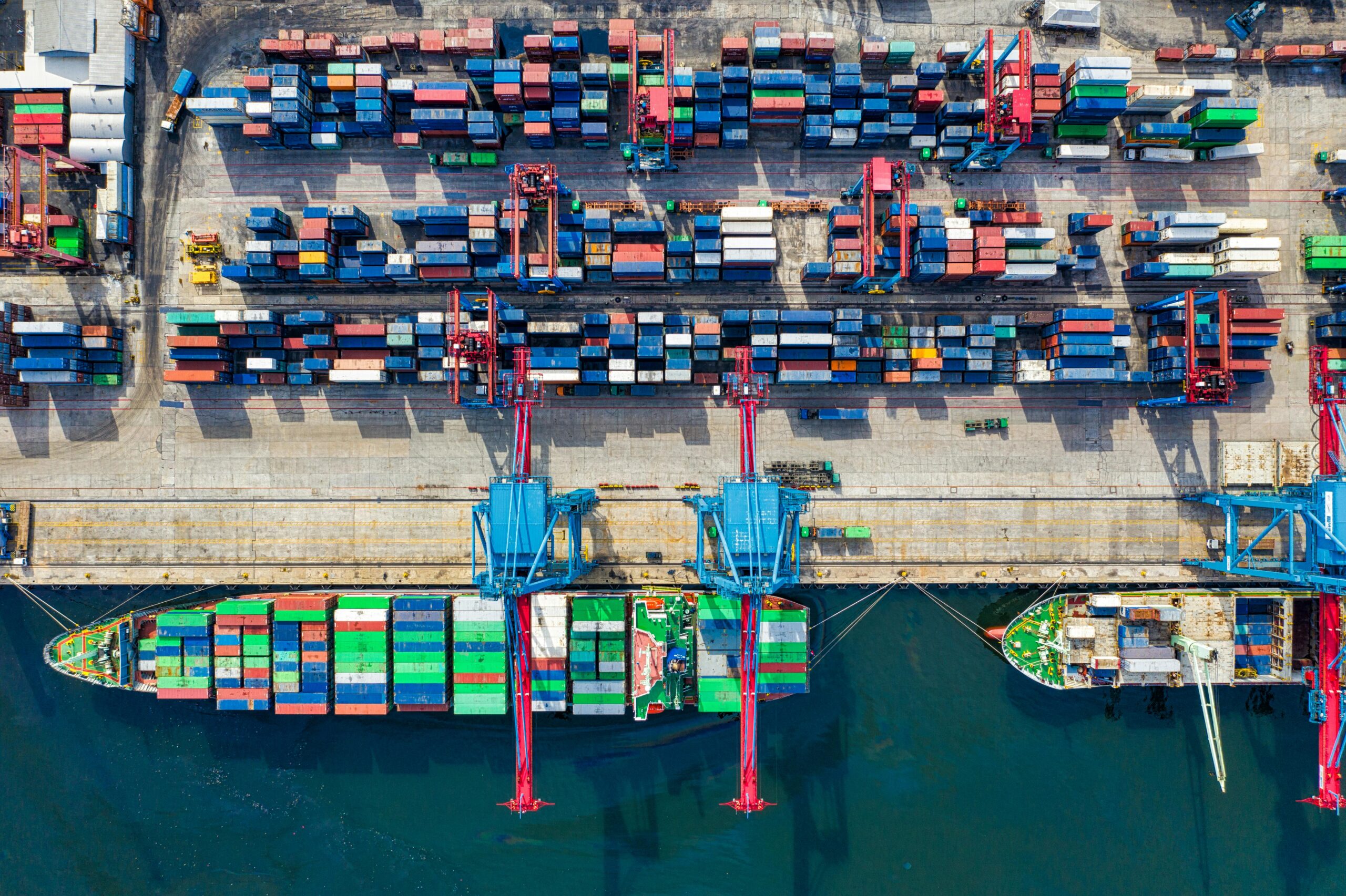
Ports like Los Angeles, Long Beach, and Rotterdam often face congestion during peak seasons (Q3–Q4 for holiday goods). This can add 3–7 days to both fast and slow ship transit times, but fast ships may have priority berthing rights (a perk of premium services). Slow ships, which use more congested, lower-priority terminals, are more likely to face longer delays.
3. Weather & Seasonal Factors
Hurricane season (June–November) in the Atlantic and typhoon season (May–October) in the Pacific can delay both fast and slow ships. However, fast ships are often built to handle rough weather better and may take shorter detours. Slow ships, with smaller engines and lower speed, are more likely to face significant delays during severe weather.
4. Customs Clearance & Documentation
Transit time benchmarks include average customs clearance (1–3 days for fast, 2–5 days for slow), but incomplete documentation can add 5–10 days regardless of ship speed. For US and European clients, ensuring accurate HS codes, commercial invoices, and origin certificates is critical to avoiding hold-ups that negate the benefits of fast shipping.
How to Choose: Fast Ship vs Slow Ship for Your Business
The right choice depends on your cargo type, budget, and business priorities. Below is a practical framework for US and European importers/exporters:
Choose Fast Ships If:
- You’re shipping time-sensitive goods (e.g., holiday inventory, perishables with short shelf lives, or replacement parts for production lines).
- You need to meet tight customer deadlines or enter a new market quickly.
- The cost of delays (e.g., lost sales, production downtime) is higher than the premium for fast shipping (typically 30–50% more than slow shipping).
- You’re shipping high-value goods (e.g., electronics, luxury goods) where reducing transit time lowers the risk of damage or theft.
Choose Slow Ships If:
- You’re shipping non-time-sensitive goods (e.g., raw materials, bulk goods, or inventory with long shelf lives like furniture, textiles, or industrial equipment).
- Cost is your top priority (slow shipping is 20–40% cheaper than fast shipping, making it ideal for low-margin products).
- You have flexible delivery timelines (e.g., planning 3–4 months ahead for seasonal goods).
- You’re shipping large volumes (slow ships offer larger container capacity, reducing per-unit shipping costs).
Hybrid Approach: Balancing Speed & Cost
Many US and European businesses use a hybrid strategy: shipping a small portion of inventory via fast ship to meet immediate demand, and the rest via slow ship to replenish stock at a lower cost. This minimizes the risk of stockouts while keeping overall logistics costs in check.
Optimize Your Ocean Freight Strategy Today
Choosing between fast and slow ocean freight doesn’t have to be a guesswork. With the right data, route knowledge, and logistics partner, you can balance speed, cost, and reliability to keep your supply chain running smoothly.
Our team of global logistics experts specializes in helping US and European businesses navigate ocean freight options. We offer:
- Customized transit time comparisons for your specific routes (e.g., Asia to US East Coast, Europe to Asia).
- Cost-benefit analysis to help you choose between fast and slow shipping based on your cargo and business goals.
- Real-time tracking and proactive updates to avoid delays (even for slow ship services).
- Assistance with documentation and customs clearance to ensure smooth, on-time delivery.
Contact us today for a free, no-obligation consultation to optimize your ocean freight strategy. Let’s help you save time, reduce costs, and keep your customers happy—whether you choose fast, slow, or a hybrid approach.
Category: Logistics transportation timeliness