Choosing between air and sea freight is one of the most critical decisions in international shipping. Get it right, and you balance cost with efficiency. Get it wrong, and you face unexpected expenses or damaging delays.
Here’s a clear, updated comparison for 2024 to help you decide.
The Quick Answer: Air vs. Sea at a Glance
| Factor | Air Freight | Sea Freight |
|---|---|---|
| Cost | Significantly higher per kg | Significantly lower per cubic meter |
| Transit Time | 1-7 days | 20-50 days |
| Reliability | High (fewer disruptions) | Moderate (weather & port delays possible) |
| Carbon Footprint | Higher per kg | Lower per kg |
| Best For | Urgent, high-value, perishable goods | Non-urgent, heavy, large-volume shipments |
When to Choose Air Freight
Your shipment is time-sensitive
If you have a production line to feed or a product launch to meet, air freight is your only realistic option. A shipment from Shanghai to Chicago takes 2-4 days by air versus 30+ days by sea.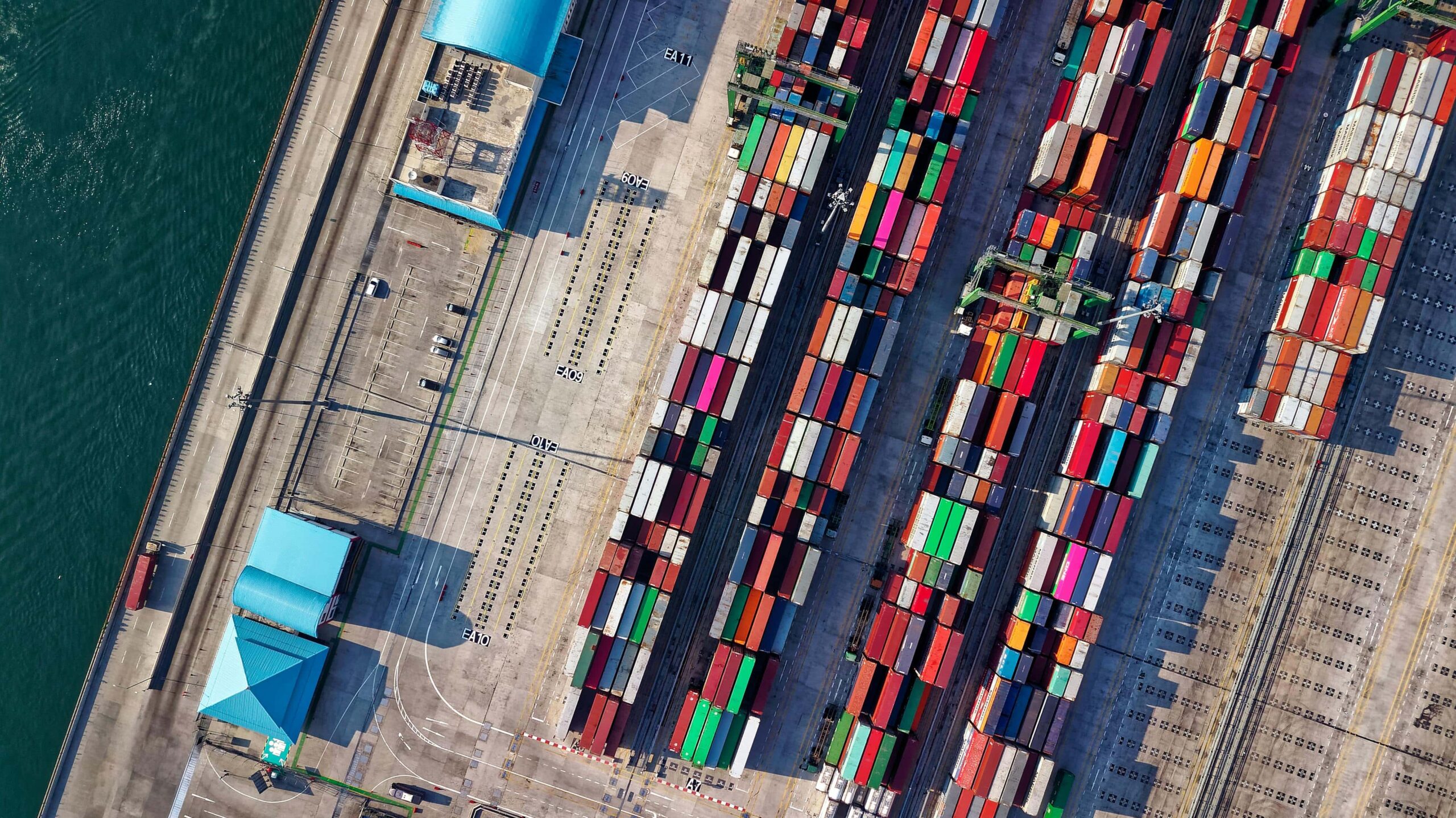
Your goods have high value relative to their weight
Electronics, pharmaceuticals, and luxury items benefit from the speed and enhanced security of air transport. The cost of capital tied up in inventory often justifies the higher shipping expense.
You’re shipping perishable items
For fresh food, flowers, or certain chemicals, the short transit time is non-negotiable.
Your supply chain requires flexibility
Air freight schedules are frequent and reliable, allowing you to react quickly to changes in demand.
When to Choose Sea Freight
Your primary concern is cost
For heavy, bulky, or non-urgent goods, sea freight is unbeatable. Shipping a full container from Shenzhen to Hamburg can cost 4-6 times less than by air.
You have large volumes
Sea containers offer massive capacity. A single 40-foot container can hold about 25,000 kg of goods, making it ideal for moving entire production runs.
Your goods are robust
If a few extra weeks in transit won’t harm your products (e.g., furniture, raw materials, seasonal inventory), sea freight is the economically smart choice.
You’re environmentally conscious
Sea freight generates far fewer CO2 emissions per kg transported than air cargo.
The Hidden Costs & Considerations
Air Freight Isn’t Just About Air
Remember, “door-to-door” air service includes trucking on both ends. These ground transportation segments can add to costs and time.
Sea Freight Isn’t Just About Sea
Port congestion, customs clearance delays, and inland trucking to the final destination can add 1-2 weeks to your sea freight timeline. Always factor this in.
Insurance Costs
While the insurance rate for air freight is generally lower (due to less time at risk), the higher value of goods typically shipped by air often means a higher total premium.
How to Make the Smart Choice in 2024
Calculate Total Landed Cost
Don’t just compare freight quotes. Include:All transportation fees
Insurance costs
Customs duties and taxes
Cost of capital for goods in transit
Warehousing costs at destination
Consider a Hybrid Approach
Don’t be afraid to mix strategies. Use air freight for critical components to keep production running and sea freight for bulk materials to control costs.Factor in Market Volatility
In 2024, geopolitical events and fluctuating fuel prices continue to impact both air and sea routes. Build buffer time and budget for sea shipments, and monitor air capacity on key trade lanes.
Still Unsure? Ask Yourself These Questions:
How much is one week of delay costing my business?
What is the risk of my products becoming obsolete or perishing in transit?
Do my customers require just-in-time delivery?
What is my total shipping budget as a percentage of product value?
Your answers will point you toward the right solution.
Need a precise quote for your specific shipment? We provide transparent air and sea freight comparisons with no hidden fees. Contact us today for a tailored logistics plan.