0 Comments
1 category
For US and European Amazon FBA sellers, mastering off-season FBA head haul pricing is a game-changer for profit margins. The e-commerce calendar’s slow seasons bring significant discounts on shipping—from ocean freight to air cargo—but only if you know when to book, how to negotiate, and which pitfalls to avoid. Many sellers miss out on savings by sticking to peak-season shipping habits or failing to leverage off-season flexibility. This guide breaks down everything you need to know about off-season FBA head haul pricing: when the off-season hits, why prices drop, how to maximize savings, and critical tips to ensure cost cuts don’t come at the expense of shipment reliability.
First: Define the FBA Head Haul Off-Season (US & EU Markets)
Off-season timing varies slightly between US and EU FBA markets, but the core window aligns with lulls in consumer demand. Knowing these periods lets you plan inventory restocks to lock in low prices:
US FBA Off-Season
- Primary Off-Season: January–March (post-Christmas/New Year rush) and July–August (pre-back-to-school lull). During these months, demand for FBA head haul shipping plummets, leading to 20–40% lower prices compared to peak season (October–December).
- Secondary Lull: Mid-April to early June (after Easter and spring sales). Prices are lower than peak but slightly higher than the primary off-season.
EU FBA Off-Season
- Primary Off-Season: January–February (post-Christmas/New Year) and August (summer holidays—EU consumers prioritize travel over shopping). Prices drop 25–45% vs. peak (September–December, including Black Friday/Cyber Monday).
- Secondary Lull: Mid-April to May (after Easter and spring bank holidays). This window is shorter than the US secondary lull but still offers meaningful savings.
Pro Tip: Use Amazon’s Seller Central inventory reports to forecast restock needs. Align large shipments with primary off-season windows to maximize savings, and use smaller, faster shipping (e.g., air freight) for last-minute top-ups during peak season.
Why Off-Season FBA Head Haul Prices Drop (And What Drives Fluctuations)
Understanding the factors behind off-season pricing helps you time bookings and negotiate better. The key drivers include:
- Reduced Shipping Demand: Fewer sellers restocking inventory during lulls means freight carriers (ocean lines, airlines) have excess capacity. They slash prices to fill containers/planes.
- Lower Fuel Costs: Off-seasons often align with reduced fuel prices (e.g., summer for ocean freight, winter for air cargo), which carriers pass on to customers.
- Port Congestion Relief: Peak seasons bring port backups (e.g., US West Coast ports in Q4), which increase handling fees. Off-seasons mean faster, cheaper port processing.
- Carrier Promotions: To attract business, logistics providers offer off-season exclusive discounts (e.g., long-term contract bonuses, volume-based rebates) that aren’t available during peak.
Note: Even in off-season, prices can spike temporarily (e.g., weather disruptions for ocean freight, labor shortages at ports). Always book 2–3 weeks in advance to lock in rates.
5 Proven Strategies to Maximize Off-Season FBA Head Haul Savings
1. Book Volume Shipments to Unlock Tiered Discounts
Carriers and freight forwarders offer deeper discounts for larger off-season shipments. For US and EU sellers:
- Consolidate multiple SKUs into a single off-season shipment (e.g., combine skincare and beauty products for EU FBA) to reach higher volume tiers.
- Negotiate a “volume commitment” discount: Promise to ship a set number of containers/pallets during the off-season in exchange for 5–15% additional savings.
2. Choose the Right Shipping Mode for Off-Season Savings
Off-season flexibility lets you prioritize cost over speed. Match your shipping mode to inventory needs:
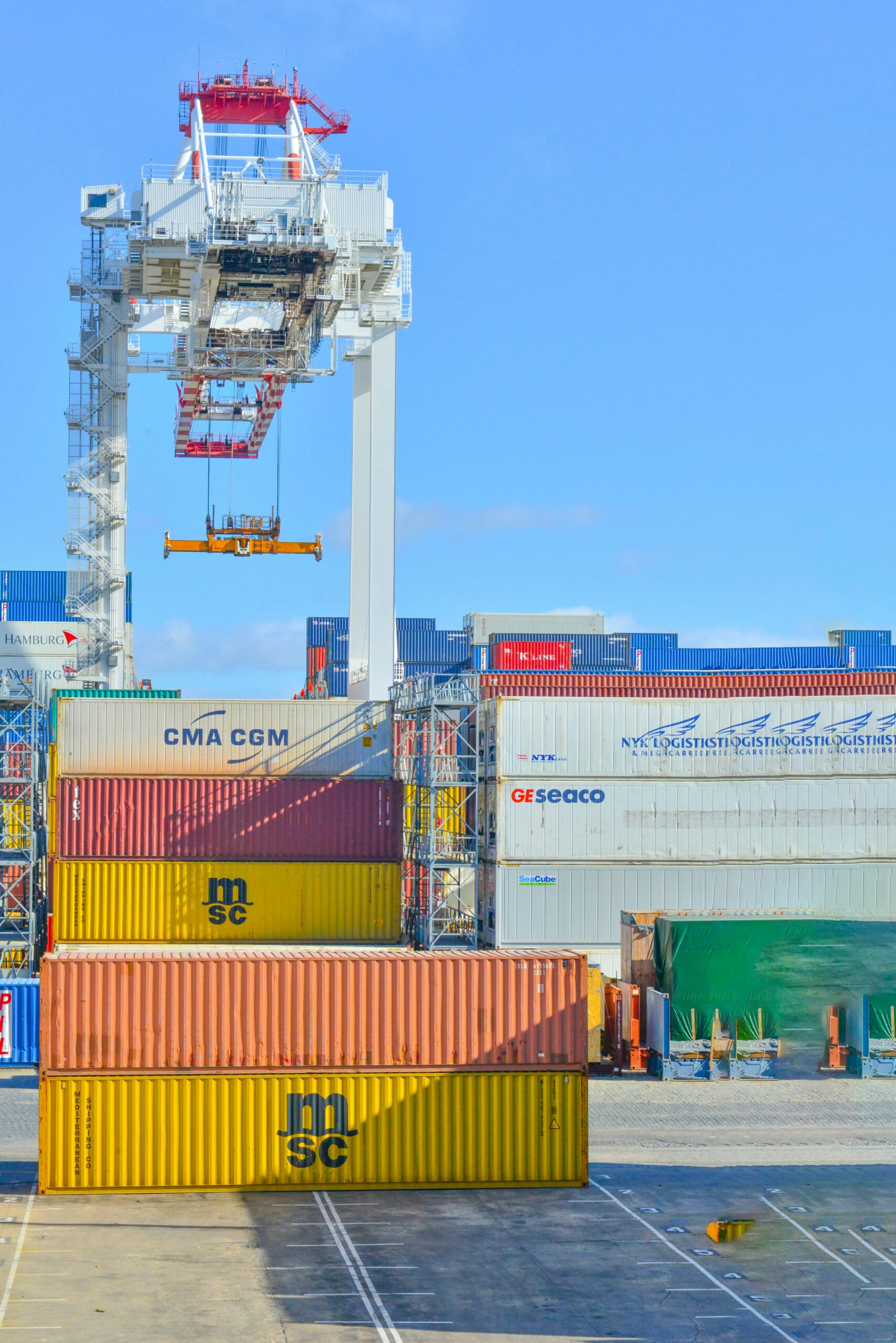
- Ocean Freight (FCL/LCL): The biggest off-season savings are here (30–45% off peak). Use FCL for large volume (cost per unit is lowest) or LCL for smaller shipments (avoid paying for unused container space).
- Air Freight: While more expensive than ocean, air freight prices drop 15–25% in off-season. Use it for high-value, fast-turnover products (e.g., electronics) when you need faster restocks than ocean but don’t want peak-season air costs.
- Sea-Air Hybrid: A cost-effective middle ground—ocean freight to a regional hub (e.g., Dubai for EU-bound shipments) then air to the final destination. Saves 20–30% vs. full air freight with faster transit than ocean.

3. Negotiate with Freight Forwarders (Don’t Accept List Prices)
Off-season is a buyer’s market—use this to your advantage. For US and EU sellers, negotiation tactics that work:
- Compare 3–5 Forwarders: Get quotes from multiple providers (specializing in FBA) to leverage competition. Forwarders will often match or beat competitors’ prices to win off-season business.
- Ask for Inclusive Pricing: Negotiate to have fees (port handling, customs clearance, last-mile delivery to FBA) included in the quote. Hidden fees can eat into off-season savings.
- Lock in Rates Early: For long off-season windows (e.g., January–March), ask to lock in a fixed rate for all shipments during the period. This protects you from temporary price spikes.
4. Optimize Inventory to Avoid Rush Fees
Off-season savings are wasted if you have to pay rush fees to fix inventory gaps. Avoid this by:
- Forecasting 3–6 Months Ahead: Use Amazon’s sales data to predict how much inventory you’ll need to last through the off-season and into the next peak.
- Shipping Buffer Stock: Add 10–15% extra inventory to off-season shipments. This avoids last-minute air freight bookings (at peak prices) if sales pick up unexpectedly.
5. Leverage Off-Season for Cross-Border Expansion
If you’re a US seller expanding to EU FBA (or vice versa), off-season is the cheapest time to test new markets. Benefits include:
- Lower shipping costs let you test smaller inventory batches without high upfront logistics expenses.
- Off-season clearance is faster (less port congestion), so you can get your products listed and tested before peak season hits.
Critical Off-Season FBA Head Haul Pitfalls to Avoid
- Choosing the Cheapest Forwarder Without Vetting: Rock-bottom prices may mean poor service (e.g., delayed shipments, missing documentation). Verify forwarders have FBA expertise, licensed customs brokers, and positive reviews from US/EU sellers.
- Ignoring FBA Warehouse Cut-Offs: Even in off-season, FBA warehouses have receiving cut-offs. Ensure your shipment arrives 3–5 days before the cut-off to avoid rejection or storage fees.
- Forgetting Compliance Requirements: Cost savings don’t matter if your shipment is held at customs. Double-check product certifications (FDA, CE, CPNP) and documentation (HS codes, commercial invoice) before shipping.
- Overlooking Cargo Insurance: Off-season shipments are still prone to damage (e.g., rough handling due to empty container space). Don’t skip insurance to save a few dollars—cover at least 110% of cargo value.
Why Partner with an FBA-Focused Logistics Provider in Off-Season
A specialized international logistics provider with FBA expertise can help you maximize off-season savings while minimizing risks. They offer:
- Insider Pricing Access: Established relationships with carriers let them secure better off-season rates than individual sellers can negotiate.
- Inventory Planning Support: They’ll analyze your sales data to recommend the best off-season shipping timeline and volume for your FBA business.
- End-to-End Compliance: They handle customs clearance, documentation, and FBA labeling to avoid holds and rejections.
- Real-Time Tracking: Monitor your off-season shipment from origin to FBA warehouse, so you’re never in the dark about delivery status.
Don’t leave money on the table during FBA head haul off-seasons. Whether you’re a US seller looking to cut costs on domestic FBA shipments or a European seller expanding to US FBA, we specialize in unlocking off-season pricing savings for FBA businesses. Our team will help you plan inventory, negotiate exclusive rates, and navigate every step of the off-season shipping process—ensuring you save big without sacrificing reliability.
Contact us today for a free, personalized off-season FBA head haul quote. Get our exclusive “Off-Season FBA Shipping Savings Checklist” to maximize your cost cuts, and let’s turn off-season into your most profitable logistics window.