
0 Comments
1 category
For US and European importers, exporters, and supply chain managers, understanding shipping transit times across key global routes is non-negotiable. Accurate transit time forecasting directly impacts inventory planning, customer fulfillment, and bottom-line profitability. Delays from unanticipated long transit times can lead to stockouts, missed sales deadlines, or costly storage fees, while overestimating transit times ties up capital in excess inventory. This guide breaks down transit times for the most critical shipping routes for Western businesses, explores the factors that disrupt timelines, and shares actionable strategies to plan effectively—helping you optimize your global logistics operations.
Key Transit Times for Top Global Routes (2024 Benchmarks)
Transit times vary by shipping mode (ocean, air, rail), carrier, and seasonal factors, but the following benchmarks reflect door-to-door timelines (including port handling, customs clearance, and last-mile delivery) for standard and premium services—tailored to the routes most relevant to US and European businesses.
1. Transatlantic Routes (Europe ↔ US)
The transatlantic trade lane is the lifeline for US-European commerce, with tight transit time windows critical for just-in-time inventory systems.
- Europe to US East Coast (e.g., Hamburg → New York; Rotterdam → Savannah):
- Ocean (Standard): 12–16 days
- Ocean (Premium/Express): 6–8 days
- Air Freight: 1–3 days
- Europe to US West Coast (e.g., Antwerp → Los Angeles; Le Havre → Seattle):
- Ocean (Standard): 28–35 days (via Panama Canal)
- Ocean (Premium): 22–26 days
- Air Freight: 3–5 days
- US East Coast to Europe (e.g., New York → Southampton; Miami → Barcelona):
- Ocean (Standard): 10–14 days
- Ocean (Premium): 5–7 days
- Air Freight: 1–2 days
Key Note: Transatlantic ocean transit times are highly sensitive to winter storms (December–February), which can add 3–5 days to standard services. Premium carriers often offer priority berthing to mitigate delays.
2. Transpacific Routes (Asia ↔ US/Europe)
As the busiest global trade lane, transpacific routes connect US and European markets to manufacturing hubs in China, Japan, and South Korea. Transit time variability here is a top pain point for Western importers.
- Asia to US West Coast (e.g., Shanghai → Los Angeles; Ningbo → Long Beach):
- Ocean (Standard): 18–25 days
- Ocean (Premium): 8–12 days
- Air Freight: 2–4 days
- Asia to US East Coast (e.g., Shenzhen → New York; Busan → Charleston):
- Ocean (Standard via Panama Canal): 35–45 days
- Ocean (Premium via Panama Canal): 22–28 days
- Ocean (Via Suez Canal): 45–55 days (for larger vessels, lower cost)
- Air Freight: 4–6 days
- Asia to Europe (e.g., Hong Kong → Rotterdam; Shanghai → Hamburg):
- Ocean (Standard via Suez Canal): 30–40 days
- Ocean (Premium via Suez Canal): 18–22 days
- Rail (China-Europe Railway Express): 12–18 days (alternative to ocean for time-sensitive cargo)
- Air Freight: 5–7 days
3. Intra-European & Mediterranean Routes
For European businesses, intra-regional transit times are critical for domestic and nearby market fulfillment.
- Mediterranean (e.g., Barcelona → Istanbul; Genoa → Alexandria):
- Ocean (Standard): 3–7 days
- Short Sea Shipping (Premium): 1–3 days
- Northern Europe to Southern Europe (e.g., Oslo → Lisbon; Copenhagen → Naples):
- Ocean (Standard): 5–10 days
- Rail: 3–5 days
Top Factors Disrupting Shipping Transit Times (And How to Mitigate Them)
Even with benchmark data, transit times can deviate significantly. For US and European importers, proactively addressing these disruptors is key to avoiding costly delays:
1. Port Congestion & Terminal Efficiency
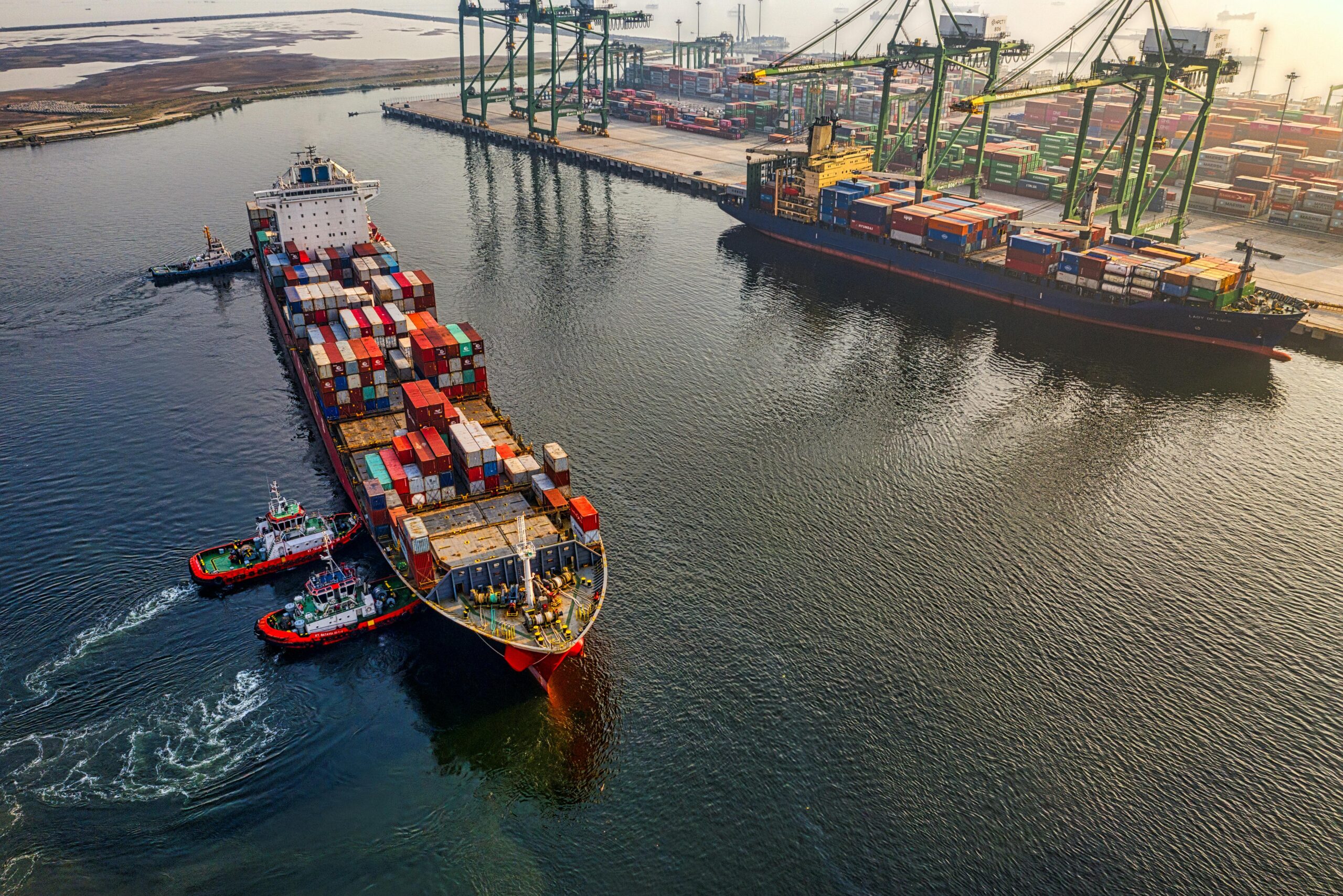
Ports like Los Angeles, Long Beach, Rotterdam, and Hamburg frequently face congestion during peak seasons (Q3–Q4 for holiday goods). Congestion can add 3–10 days to transit times, as vessels wait to berth and containers sit in yards. Mitigation Tips: Use less congested alternative ports (e.g., Savannah instead of Los Angeles; Zeebrugge instead of Antwerp); book premium services with priority berthing; ship outside peak seasons when possible.
2. Customs Clearance Delays
Incomplete or inaccurate documentation is the #1 cause of customs-related delays for US and European importers. Missing HS codes, inconsistent product descriptions, or undervalued goods can add 5–15 days to transit times. Mitigation Tips: Work with a local customs broker to verify documentation (commercial invoice, packing list, origin certificate) before shipping; use pre-clearance services (available in most EU and US ports); obtain AEO (Authorized Economic Operator) status for faster processing.
3. Weather & Seasonal Disruptions
Hurricanes (Atlantic, June–November), typhoons (Pacific, May–October), and winter storms (Transatlantic, December–February) can halt shipping operations or force detours. Mitigation Tips: Track weather patterns and adjust shipping schedules; choose carriers with weather-resilient vessels; add buffer time to transit forecasts during storm seasons.
4. Carrier Scheduling & Route Changes
Carriers often skip ports or reroute vessels to cut costs, especially during low-demand periods—adding unexpected days to transit. Mitigation Tips: Sign fixed-rate contracts with guaranteed port calls; use a logistics partner with real-time carrier monitoring; have backup carriers for critical routes.
5. Last-Mile Delivery Challenges
Transit time benchmarks include last-mile delivery, but labor shortages (e.g., truck drivers in the EU and US) or urban congestion can delay final delivery. Mitigation Tips: Partner with local last-mile providers with regional expertise; use intermodal solutions (rail + truck) for inland delivery; plan for weekend/holiday delays (varies by country).
Practical Tips for US & European Importers to Plan Transit Times Effectively
Based on industry best practices, these strategies will help you forecast and manage transit times with confidence:
- Use Transit Time Calculators with Real-Time Data: Avoid relying on static benchmarks—use tools that integrate live carrier data, port congestion levels, and weather updates. Many logistics platforms offer customized calculators for specific routes (e.g., Asia to US East Coast).
- Build Buffer Time into Your Schedule: Add 3–7 days to standard transit times (5–10 days during peak seasons) to account for unforeseen disruptions. This prevents stockouts and reduces the need for expensive expedited shipping.
- Opt for Intermodal Solutions When Beneficial: For routes like China-Europe, rail (12–18 days) offers a middle ground between ocean (30–40 days) and air (5–7 days) in terms of time and cost. For US domestic delivery, rail + truck can reduce transit times compared to full truckload for long distances.
- Partner with a Global Logistics Expert: A logistics provider with expertise in your key routes (e.g., Transatlantic, Transpacific) can negotiate better carrier rates, monitor shipments in real time, and resolve delays proactively. Look for providers with local offices in the US and EU for personalized support.
Take Control of Your Shipping Transit Times Today
Unpredictable shipping transit times don’t have to derail your supply chain. With accurate benchmark data, proactive disruption mitigation, and the right logistics partner, you can optimize your routes, reduce costs, and keep your customers satisfied.
Our team of global logistics experts specializes in supporting US and European importers with tailored transit time solutions. We offer:
- Customized transit time forecasts for your specific routes (e.g., Asia to US West Coast, Europe to Mediterranean).
- Real-time shipment tracking and proactive alerts for potential delays (port congestion, weather, customs hold-ups).
- Documentation and customs clearance support to avoid costly hold-ups.
- Intermodal and premium shipping options to balance time, cost, and reliability.
Contact us today for a free, no-obligation transit time analysis for your key routes. Let’s help you streamline your logistics operations, reduce uncertainty, and boost your bottom line.
Category: Logistics transportation timeliness