0 Comments
1 category
For US and European importers/exporters, navigating European port customs clearance is a critical link in the supply chain. Delays here can lead to increased storage costs, missed market windows, and disrupted production schedules. Understanding average European port customs clearance times, the factors that impact them, and actionable strategies to streamline the process is essential for maintaining operational efficiency. This guide breaks down everything you need to know to manage customs clearance timelines effectively across major European ports.
Average Customs Clearance Time at Major European Ports
Customs clearance time in Europe varies significantly by port, cargo type, and documentation completeness. Below are typical timelines for some of the busiest European ports—data based on 2024 industry benchmarks and European Union (EU) customs statistics:
- Port of Rotterdam (Netherlands): 1–3 business days for standard sea freight with complete documentation; 5–7 days if additional inspections are required.
- Port of Hamburg (Germany): 2–4 business days for routine cargo; 6–8 days for high-risk shipments (e.g., electronics, pharmaceuticals).
- Port of Antwerp-Bruges (Belgium): 1–2 business days for fast-track cleared cargo; 4–6 days for complex shipments requiring tariff classification verification.
- Port of Valencia (Spain): 2–5 business days for sea freight; 3–7 days for air freight with multiple consignments.
- Port of Le Havre (France): 2–4 business days for standard cargo; 5–9 days for shipments with incomplete origin documentation.
Key note: These timelines exclude weekends, public holidays (varies by EU country), and unforeseen disruptions (e.g., port strikes, extreme weather). For time-sensitive goods, proactive planning is non-negotiable.
Top Factors Affecting European Port Customs Clearance Time
To avoid costly delays, it’s critical to address the root causes that prolong customs clearance. Below are the most common factors impacting timelines from a US and European importer/exporter perspective:
1. Documentation Completeness & Accuracy
Incomplete or incorrect paperwork is the #1 cause of customs clearance delays in Europe. Required documents typically include a commercial invoice, packing list, bill of lading (B/L) or airway bill (AWB), customs declaration (EU Declaration of Entry), and origin certificate (if claiming preferential tariffs under EU free trade agreements). Missing information—such as incorrect HS codes, undervalued goods, or inconsistent descriptions between documents—will trigger manual reviews by customs authorities, adding 3–10 days to the process.
2. HS Code Classification
Harmonized System (HS) code errors are a major pain point. Each product must be assigned the correct 6–10 digit HS code, which determines applicable tariffs, restrictions, and inspection requirements. Misclassification (e.g., confusing “plastic packaging” with “plastic products”) leads to customs audits and delays. For complex products (e.g., machinery parts, electronics), working with a customs expert to verify HS codes is recommended.
3. Cargo Type & Risk Level
High-risk cargo—including pharmaceuticals, hazardous materials (DG), food and beverages, and electronics—undergoes more rigorous inspections, extending clearance time. For example, food products require additional safety certificates (e.g., FSSC 22000, organic certification), while DG shipments need compliant labeling and documentation per IMDG Code. Standard consumer goods (e.g., clothing, furniture) with clear documentation usually clear faster.
4. Port Congestion & Operational Capacity
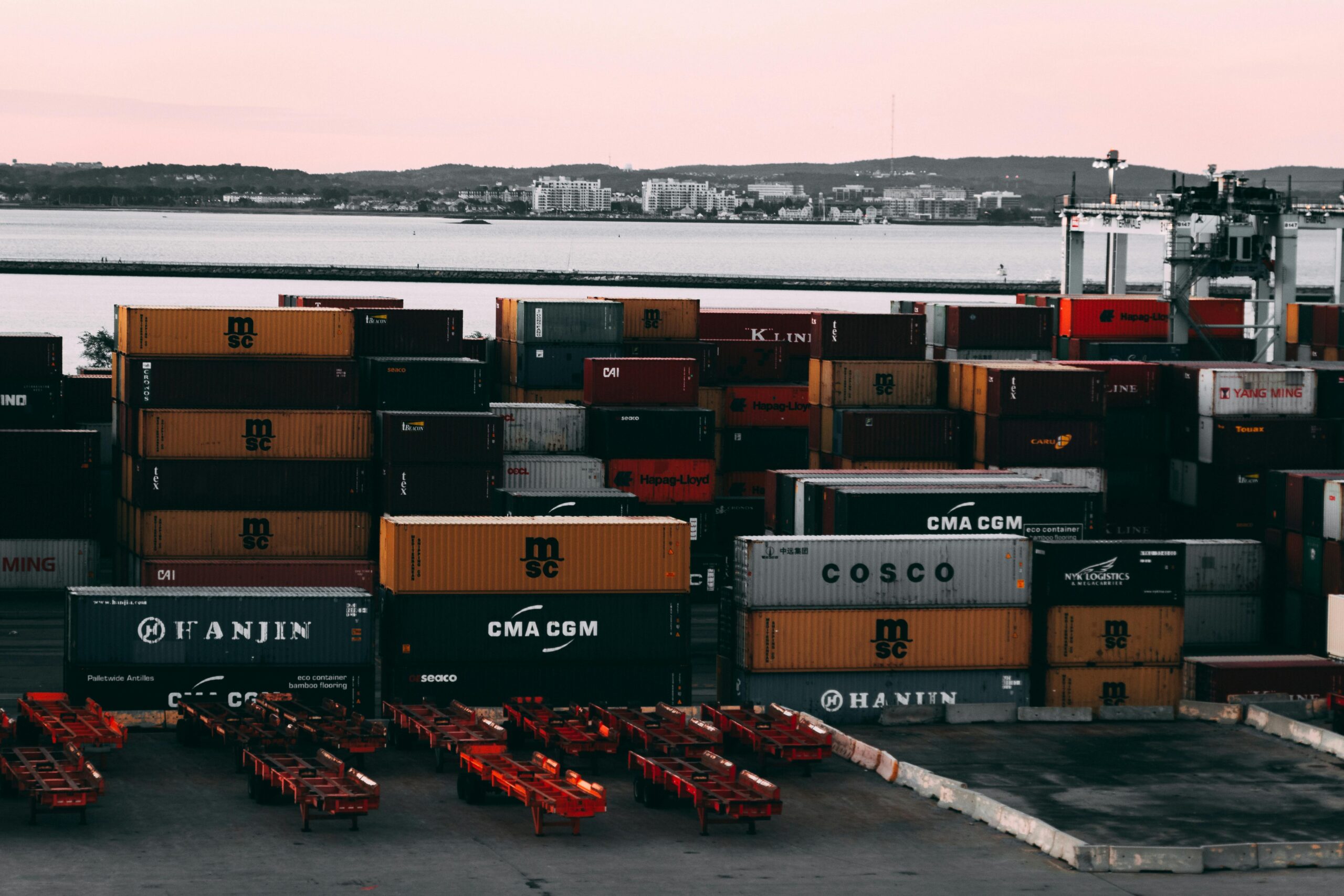
Major European ports often face congestion during peak seasons (e.g., Q4 for holiday goods) or due to infrastructure limitations. For instance, the Port of Rotterdam handles over 14 million TEUs annually, and bottlenecks at container terminals can delay cargo unloading—directly impacting when customs can process shipments. Port strikes (common in countries like France and Germany) can halt operations entirely for days.
5. Compliance with EU Regulations
The EU has strict customs regulations, including the Union Customs Code (UCC) and Sanctions Lists. Shipments involving sanctioned countries, individuals, or entities will be seized, causing indefinite delays. Additionally, failure to comply with product safety standards (e.g., CE marking for goods sold in the EU) will result in clearance hold-ups.
Proven Strategies to Reduce European Port Customs Clearance Time
Based on industry best practices, these actionable steps will help you streamline customs clearance and avoid unnecessary delays:
1. Prepare Complete & Accurate Documentation in Advance
Work with your supplier or logistics partner to finalize all required documents before cargo arrives at the European port. Use digital documentation (e.g., e-BL, e-invoices) where possible—many EU ports now offer digital customs platforms (e.g., Germany’s ZollOnline, Netherlands’ Customs Declarations System) that speed up processing. Double-check that HS codes, product descriptions, and values are consistent across all documents.
2. Utilize Pre-Clearance & Authorized Economic Operator (AEO) Status
Pre-clearance allows you to submit customs declarations before your cargo reaches European shores. This is available for most EU ports and can reduce clearance time by 1–2 days. Additionally, obtaining AEO status (a certification for reliable, compliant traders) grants benefits like faster inspections, priority processing, and reduced documentation requirements. AEO is particularly valuable for frequent importers/exporters to Europe.
3. Partner with a Local European Customs Broker
A local customs broker with expertise in European regulations and port-specific processes is invaluable. They understand the nuances of each port (e.g., unique requirements at the Port of Hamburg vs. Valencia) and can resolve issues in real time. Look for brokers who are AEO-certified and have experience with your cargo type (e.g., DG, food products).
4. Optimize Cargo Packaging & Labeling
Clear, compliant labeling reduces inspection time. Ensure packages are labeled with the consignee’s details, HS code, and any required warnings (e.g., for DG). For bulk shipments, use standardized packaging and include a detailed packing list that matches the commercial invoice. Avoid overpacking or unclear labeling, which can trigger manual inspections.
5. Monitor Port & Customs Updates in Real Time
Stay informed about port congestion, strikes, or regulatory changes that could impact clearance. Use port tracking tools (e.g., Port of Rotterdam’s Container Tracking, Hamburg Port Authority’s HPA Portal) and subscribe to customs alerts from the European Commission. For time-sensitive shipments, consider alternative ports with lower congestion (e.g., Port of Zeebrugge instead of Antwerp during peak season).
Common Customs Clearance Delays & How to Resolve Them
Even with careful planning, delays can occur. Here’s how to address the most frequent issues:
- Missing Origin Certificate: If you’re claiming preferential tariffs (e.g., under US-EU Trade and Technology Council agreements), submit a retroactively issued origin certificate within the EU’s 12-month grace period. Work with your supplier to expedite this document.
- HS Code Dispute: Provide technical specifications, product samples, or a letter of explanation from a qualified engineer to support your HS code classification. A local customs broker can negotiate with authorities on your behalf.
- Cargo Inspection Hold: Respond quickly to customs requests for additional information. If the inspection is due to suspected undervaluation, provide proof of market value (e.g., previous invoices, price lists).
- Port Congestion: Coordinate with your logistics partner to reroute cargo to a nearby port or arrange for direct delivery from the port to your facility once clearance is approved (to avoid storage fees).
Streamline Your European Customs Clearance Process Today
European port customs clearance doesn’t have to be a bottleneck for your supply chain. With the right documentation, partnerships, and proactive strategies, you can reduce clearance time, lower costs, and avoid costly disruptions.
Our team of AEO-certified logistics experts specializes in European customs clearance for US and European businesses. We offer:
- Pre-clearance services to speed up processing
- HS code verification and documentation review
- Real-time port and customs tracking
- Support for high-risk cargo (DG, pharmaceuticals, food products)
Contact us today for a free consultation to assess your current customs clearance process and identify opportunities to save time and money. Let’s ensure your shipments clear European ports smoothly—every time.
Category: Logistics transportation timeliness