0 Comments
1 category
Need to ship industrial machinery overseas—whether it’s an excavator to Germany, a production line to the US, or a precision tool to France—but worried about sky-high, unpredictable shipping costs? For US and European manufacturers, distributors, and contractors, navigating international machinery shipping costs is one of the biggest barriers to global expansion. How do you know if a quote is fair? What hidden fees should you watch for? And how can you balance cost-efficiency with the safety of your valuable equipment? This guide breaks down everything you need to know about international machinery shipping costs, so you can make informed decisions, avoid costly surprises, and keep your global operations on track.
Key Factors That Determine International Machinery Shipping Costs
Unlike standard parcel shipping, international machinery shipping costs are not one-size-fits-all. They’re driven by a unique combination of equipment-specific, logistical, and regulatory factors. Understanding these variables is the first step to getting accurate quotes and controlling expenses.
1. Machinery Specifications (The Biggest Cost Driver)
Your equipment’s size, weight, and complexity directly impact shipping costs. Here’s how: – Weight & Dimensions: Heavy machinery (e.g., bulldozers, CNC machines over 10,000 lbs) requires specialized carriers (flatbed trucks, ro-ro vessels, or container shipping with heavy-lift equipment). The heavier and larger the unit, the higher the freight charges—carriers price based on “chargeable weight” (actual weight or volumetric weight, whichever is higher). – Condition & Special Handling: New, sealed machinery is cheaper to ship than used or fragile equipment (e.g., precision medical machinery, vintage industrial tools) that needs disassembly, custom crating, or climate-controlled transport. Hazardous machinery (e.g., equipment with fuel tanks) also incurs extra fees for compliance with international safety regulations (IMDG Code).
2. Shipping Route & Distance
The distance between your origin (e.g., Chicago, Milan) and destination (e.g., Tokyo, Johannesburg) is a baseline cost factor, but route complexity matters more: – Domestic vs. International: Shipping machinery from Atlanta to Houston is far cheaper than shipping it from Atlanta to London, which involves ocean/air freight, customs clearance, and cross-border logistics. – Port Access & Inland Transport: Destinations with limited port access (e.g., landlocked countries in Central Europe) require additional inland transport (trucking, rail), which adds to the total cost. Remote areas (e.g., rural parts of the US Midwest or Eastern Europe) may also have surcharges for last-mile delivery.
3. Shipping Method & Service Level
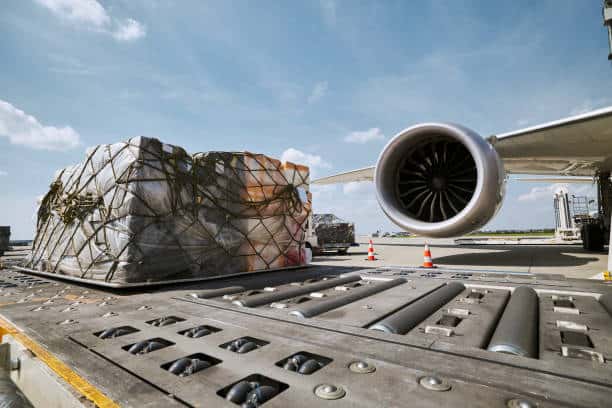
The method you choose balances speed and cost—here are the most common options for machinery shipping, ranked by cost (low to high): – Ro-Ro Shipping (Roll-on/Roll-off): Ideal for self-propelled machinery (e.g., tractors, excavators). Equipment is driven onto the vessel, so no crating is needed—making it cost-effective. – Container Shipping: For non-self-propelled or smaller machinery (e.g., compressors, small lathes). Costs vary by container size (20ft, 40ft, 40ft HC) and whether you need a full container load (FCL) or less than container load (LCL). – Heavy-Lift Shipping: For oversized/overweight machinery (e.g., industrial presses, wind turbine parts) that can’t fit in standard containers. Requires specialized vessels with cranes—this is the most expensive option. – Air Freight: Rare for heavy machinery (due to high costs) but used for small, high-value precision equipment (e.g., aerospace components) when speed is critical.
4. Regulatory & Documentation Fees
International shipping requires compliance with customs regulations in both the origin and destination countries, which adds fees: – Customs clearance fees: Charged by customs brokers to process paperwork (commercial invoice, bill of lading, certificate of origin). – Duties & taxes: Vary by country and machinery type (e.g., EU countries have different duty rates for industrial equipment than the US). – Compliance fees: For hazardous or regulated machinery (e.g., EPA certifications for US-bound equipment, CE marking for EU-bound machinery).
How to Spot Red Flags in Machinery Shipping Quotes
When comparing quotes from logistics companies, a low price isn’t always a good deal. Here are the top red flags to avoid—they could cost you thousands in hidden fees or damaged equipment:
1. Vague Cost Breakdowns
A legitimate quote should list every fee explicitly: freight charges, crating/packaging costs, inland transport fees, customs clearance fees, insurance premiums, and any surcharges (remote delivery, peak season). Red flag: A quote with only a total amount and no breakdown—this almost always hides hidden fees (e.g., “terminal handling charges” or “fuel surcharges”) that surface later.
2. Inadequate Insurance Coverage
Machinery is high-value, so insurance is non-negotiable. Standard carrier liability (typically $500-$1,000 per shipment) is nowhere near enough to cover a $50,000 CNC machine or $200,000 excavator. Red flag: A quote that doesn’t mention insurance or only offers minimal coverage—always ask for full-value insurance (coverage equal to your machinery’s replacement cost).
3. Lack of Machinery Shipping Expertise
Shipping machinery isn’t the same as shipping pallets. A reliable logistics company should have experience with heavy equipment, knowledge of international regulations (e.g., IMDG, CE, EPA), and access to specialized carriers. Red flag: A company that offers generic shipping quotes without asking about your machinery’s specifications or mentioning industry-specific certifications (e.g., FIDI-FAIM for international moving, ISO 9001 for logistics quality).
4. Unrealistic Timelines
Heavy machinery shipping takes time—especially international shipping (2-6 weeks for ocean freight). Red flag: A quote that promises impossibly fast delivery (e.g., “3-day international machinery shipping”)—this is often a tactic to lure customers, with extra fees for “expedited” service added later.
Step-by-Step: How to Get an Accurate Machinery Shipping Quote
To get quotes that reflect your actual needs (and avoid surprises), follow these steps when working with logistics companies:
- Gather Detailed Machinery Information: Document your equipment’s make/model, dimensions (length x width x height), weight, condition (new/used/fragile), and any special requirements (e.g., disassembly, hazardous materials). For production lines or multiple units, list each item separately. The more specific you are, the more accurate the quote.
- Define Your Shipping Requirements: Specify origin and destination addresses (include zip codes/postal codes and port preferences), desired shipping method (ro-ro, container, heavy-lift), and timeline (standard vs. expedited). Note any special services you need (e.g., door-to-door delivery, custom crating, insurance coverage amount).
- Request Quotes from 3-5 Specialized Providers: Use search terms like “international machinery shipping costs USA,” “heavy equipment transport rates Europe,” or “industrial machinery shipping quote” to find logistics companies that specialize in machinery. Provide the same information to each company to ensure fair comparison.
- Ask Critical Follow-Up Questions: Clarify unclear points: “Does this quote include customs duties and taxes?” “What happens if my machinery is damaged during shipping?” “Do you handle disassembly and reassembly?” “Can you provide references for similar machinery shipments to my destination?”
Common Myths About Machinery Shipping Costs (Debunked)
Misconceptions about shipping costs often lead businesses to make costly mistakes. Let’s set the record straight:
Myth 1: Air Freight Is Too Expensive for All Machinery
Fact: While air freight is costly for heavy machinery, it’s cost-effective for small, high-value precision equipment (e.g., medical devices, aerospace parts) where downtime from slow ocean freight would cost more than air shipping fees.
Myth 2: Ro-Ro Shipping Is Always the Cheapest Option
Fact: Ro-Ro is cheap for self-propelled machinery, but non-self-propelled equipment may require expensive loading/unloading equipment—making container shipping more cost-effective in some cases.
Myth 3: All Logistics Companies Charge the Same Fees
Fact: Fees vary based on a company’s global network, carrier partnerships, and expertise. A specialized machinery shipper may negotiate better rates with carriers and avoid unnecessary fees (e.g., duplicate customs charges) that generic shippers miss.
Why Choose a Specialized International Machinery Logistics Provider?
Shipping heavy machinery internationally is high-stakes—one mistake can damage your equipment, delay your operations, or drain your budget. A specialized logistics provider offers advantages that generic shippers can’t:
- Machinery-Specific Expertise: Trained teams that know how to handle, pack, and transport heavy equipment safely—reducing the risk of damage.
- Global Regulatory Knowledge: Expertise in customs regulations, duties, and compliance (e.g., CE, EPA, IMDG) to avoid delays and penalties.
- Customized Solutions: Tailored shipping plans (e.g., combining ro-ro and inland transport) to balance cost and speed for your specific needs.
- Transparent Pricing: No hidden fees—detailed quotes that let you see exactly where your money goes, and proactive communication if costs change.
Get Your Free, No-Obligation Machinery Shipping Quote Today
Ready to ship your machinery internationally without the stress of unpredictable costs or hidden fees? Our team specializes in international machinery shipping for US and European businesses—from single pieces of equipment to full production lines. We’ll work with you to understand your needs, provide a transparent, accurate quote, and manage every step of the shipping process to ensure your equipment arrives safely and on time.
To get your free, no-obligation quote:
- Fill out our online quote form with your machinery details, origin/destination, and shipping requirements.
- Receive your personalized quote within 24 hours—with a full breakdown of all fees and no hidden costs.
- Speak with our machinery shipping specialist to answer any questions and finalize your shipping plan.
Don’t let confusing shipping costs hold back your global business. Trust the experts who understand the unique challenges of machinery shipping. Get Your Free Quote Now.
Category: case analysis