0 Comments
1 category
Ever winced at a sea freight quote for your wine or gourmet food shipments—wondering why a crate of French wine to the US costs 30% more than standard goods? Or feared your artisanal cheeses would spoil in transit, or your premium wine bottles would shatter, turning a profitable order into a loss? You’re not alone. For US and European importers, exporters, and specialty food retailers, shipping wine and food via sea comes with unique headaches: temperature control, fragile packaging, strict customs compliance, and hidden fees that inflate costs. Navigating these complexities while keeping prices competitive feels like walking a tightrope.
This guide cuts through the confusion. We’ll break down wine and food sea freight prices from a US and European perspective, explain the key factors that drive up costs (and how to avoid them), detail the full price breakdown, and share actionable tips to optimize your shipments. By the end, you’ll know exactly what to expect in your quote, how to protect your goods, and how to get the best value for your wine and food sea freight—no more surprises, no more wasted money.
Key Reasons Wine & Food Sea Freight Costs More Than Standard Goods
Wine and food aren’t like generic cargo—their delicate nature and strict regulatory requirements add layers of cost that standard shipments don’t face. For US and European businesses, these are the non-negotiable factors that make wine/food sea freight pricier:
- Temperature Control (Reefer Containers): Most wine and perishable food (cheese, meat, fresh produce) requires temperature-controlled “reefer” containers to avoid spoilage. Reefer containers cost 50–100% more than standard dry containers, plus ongoing fuel costs for cooling systems.
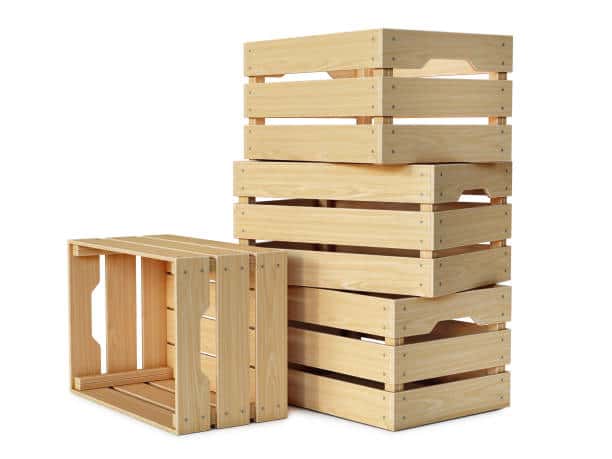
- Fragility & Specialized Packaging: Wine bottles break easily; gourmet food (e.g., chocolate, baked goods) needs shock-resistant packaging. Custom crates, foam inserts, and temperature-insulated materials add $200–$800 per shipment.
- Strict Customs & Compliance: Food and wine face rigorous inspections (FDA in the US, EU Food Safety Authority in the EU) to ensure safety and labeling compliance. Non-compliance leads to delays, fines, or seized goods—costs that often get passed into freight quotes.
- Perishability Risks: Shippers charge higher insurance premiums (2–4% of shipment value vs. 1–2% for standard goods) to cover losses from spoilage or delays.
Wine & Food Sea Freight Price Breakdown (US & EU Examples)
Sea freight prices for wine and food vary by shipment size, destination, and service level. Below are real-world price examples (2024 rates) for US and European businesses, organized by shipment type and route:
1. Standard vs. Reefer Container Prices (20ft & 40ft)
Shipment Details (Route/Product) | Container Type | US Business Price (USD) | EU Business Price (EUR) | Transit Time |
|---|---|---|---|---|
Bordeaux, France → New York, US (Wine, 20ft crate) | Reefer (12–18°C) | $1,800–$2,500 | — | 14–21 days |
Napa Valley, US → London, UK (Wine, 40ft crate) | Reefer (12–18°C) | — | €2,200–€3,000 | 18–25 days |
Parma, Italy → Chicago, US (Cheese & Prosciutto, 20ft reefer) | Reefer (2–6°C) | $2,000–$2,800 | — | 16–22 days |
Barcelona, Spain → Berlin, Germany (Olive Oil & Tapas, 40ft dry) | Dry (non-perishable) | — | €800–€1,200 | 5–8 days (intra-EU) |
2. LCL (Less Than Container Load) Prices for Small Batches
For small shipments (e.g., 5–10 pallets of wine), LCL is more cost-effective than full containers. Prices are per cubic meter (CBM) or per pallet:
- US Example: 8 pallets of California wine (15 CBM) from Los Angeles to Bordeaux, France (reefer LCL): $120–$180 per CBM → Total: $1,800–$2,700 (transit: 20–28 days).
- EU Example: 6 pallets of Greek olive oil (12 CBM) from Athens to Boston, US (dry LCL): €100–€150 per CBM → Total: €1,200–€1,800 (transit: 22–30 days).
3. Additional Fees to Watch For (Hidden Costs)
Wine and food shipments often include hidden fees that can inflate total costs by 20–30%. Always ask for a detailed quote that includes these:
- Reefer Fuel Surcharge: $50–$150 per container (covers cooling system fuel during transit).
- Specialized Packaging Fees: $200–$800 per shipment (custom foam inserts, shock-absorbent crates for wine).
- Food Safety Inspection Fees: $150–$500 (FDA in the US, EU FSA in Europe—mandatory for all food imports).
- Labeling Compliance Fees: $100–$300 (if your goods lack required labels: origin, ingredients, expiration dates).
- Storage Fees: $10–$30 per day per container (if goods are held at port due to delayed clearance).
- Insurance Premiums: 2–4% of shipment value (covers spoilage, breakage, or seizure).
Key Factors That Impact Wine & Food Sea Freight Prices
Understanding these factors helps US and European businesses predict costs and negotiate better rates. For wine and food, these are the most influential variables:
1. Temperature Requirements (Biggest Cost Driver)
Wine needs a stable 12–18°C; perishable food (cheese, meat) needs 2–6°C; frozen food needs -18°C or lower. The colder the required temperature, the higher the cost: Wine (12–18°C): 50% more than dry containers.Refrigerated food (2–6°C): 75–100% more than dry containers.Frozen food (-18°C): 100–150% more than dry containers.
Pro tip: For long transit times, choose “controlled atmosphere” reefers (adds $300–$500 per container) to maintain humidity and oxygen levels—critical for preserving wine quality.
2. Shipment Size & Consolidation
Full containers (FCL) are more cost-effective per unit than LCL for large batches: FCL (20ft/40ft): Best for 15+ CBM (e.g., 500+ wine bottles). Per CBM cost is 30–50% lower than LCL.LCL: Best for small batches (5–15 CBM). Convenient but pricier due to consolidation/handling fees.
3. Route & Destination (Major Hubs vs. Remote Areas)
Shipping to major ports (New York, Los Angeles, London, Hamburg) is cheaper than remote areas: Example: 20ft reefer of wine from Bordeaux to New York (major hub): $1,800–$2,500.Same shipment to Minneapolis (remote US): $2,300–$3,200 (adds $500–$700 in inland delivery and remote surcharges).
4. Compliance & Documentation
Non-compliant shipments face delays and fines—costs that boost total freight expenses. For US and European businesses: US Requirements: FDA registration, Prior Notice (PN) for food, alcohol tax documentation for wine. Missing PN leads to $1,000+ fines and 3–7 day delays.EU Requirements: FSSC 22000 certification for food, CE marking, detailed origin labels. Non-compliant labels add $300–$500 in re-labeling fees.
Tips to Reduce Wine & Food Sea Freight Costs (US & EU Focus)
While some costs (reefer fuel, inspections) are mandatory, these strategies can cut your total expenses by 15–30%:
1. Optimize Packaging & Shipment Size
- Use Lightweight, Shock-Resistant Packaging: Replace heavy wooden crates with reinforced cardboard + foam inserts for wine—cuts weight by 20% (lower freight costs) and reduces packaging fees by $100–$300.
- Consolidate Small Batches: Combine LCL shipments from the same origin (e.g., multiple Italian food suppliers) into one FCL—saves 30–50% per unit.
- Choose the Right Container Size: For 18 CBM of wine, a 20ft reefer ($1,800–$2,500) is cheaper than a 40ft ($2,200–$3,000) — don’t pay for unused space.
2. Plan Ahead to Avoid Rush Fees
- Book Early: Reefer containers are in high demand (especially during harvest seasons for wine). Booking 4–6 weeks in advance locks in lower rates (saves 10–20%) and ensures availability.
- Avoid Peak Seasons: Shipping wine during harvest (September–November) or food before holidays (Thanksgiving, Christmas) increases rates by 20–30%. Schedule shipments during off-peak months (January–March, June–July).
3. Streamline Compliance to Reduce Delays & Fees
- Partner with a Compliance Expert: Hire a freight forwarder specializing in wine/food logistics—they’ll handle FDA/EU FSA documentation, label checks, and pre-inspections. This cuts clearance time by 50% (avoiding storage fees) and reduces fines.
- Standardize Documentation: Create a template for commercial invoices, certificates of origin, and safety certifications. Consistent documentation avoids rework fees ($100–$200 per mistake).
4. Negotiate with Freight Forwarders
- Volume Discounts: If you ship 5+ containers monthly, ask for 10–25% off base rates.
- Waive Surcharges: Negotiate to have reefer fuel surcharges or packaging fees waived for long-term contracts (12+ months).
- Bundled Services: Choose a forwarder that offers end-to-end services (shipping + clearance + delivery) — bundled rates are 15–20% cheaper than separate services.
How to Get an Accurate Wine & Food Sea Freight Quote (Step-by-Step)
To avoid sticker shock, follow these steps to get a quote that reflects your actual needs:
- Gather Detailed Shipment Information: Prepare product type (wine/food), quantity, weight, dimensions, required temperature, origin, destination, and compliance documentation (FDA/EU FSA certificates).
- Choose Your Service Level: Decide between FCL/LCL, reefer/dry, and door-to-door (convenient, 10–20% pricier) vs. port-to-port (cheaper, requires local pickup).
- Request Quotes from 3–5 Specialized Forwarders: Avoid generic forwarders—choose those with wine/food experience (ask for case studies of US/EU clients). Request a detailed breakdown of all fees (no “all-inclusive” vague quotes).
- Verify Insurance Coverage: Ensure the quote includes coverage for spoilage, breakage, and seizure. Ask if you can upgrade to full coverage (3–4% of shipment value) for high-value wine/food.
- Negotiate Final Terms: Use competing quotes to leverage better rates. Ask about volume discounts or waived surcharges if you commit to multiple shipments.
Common Mistakes to Avoid (Costly Errors)
US and European businesses often make these mistakes with wine/food sea freight—don’t let them drain your profits: Using a Generic Freight Forwarder: Generic forwarders lack wine/food expertise, leading to compliance errors, delayed clearance, and broken bottles. Always use a specialist.Underestimating Temperature Needs: Cutting costs with a dry container for wine or a low-grade reefer for cheese leads to spoilage—costing more in lost goods than you saved on freight.Ignoring Labeling Requirements: Missing origin or ingredient labels for EU-bound food leads to re-labeling fees and 5–10 day delays.Book Reefer Containers Last Minute: Waiting 1–2 weeks before shipment means higher rates and no availability—forcing you to use expensive air freight ($5–$10 per kg vs. $0.5–$1 per kg sea).
Ready to Get a Transparent Wine & Food Sea Freight Quote?
Shipping wine and food via sea doesn’t have to be expensive or risky—when you partner with a freight forwarder that understands US and European wine/food logistics needs, you get accurate pricing, compliant service, and peace of mind.
we specialize in wine and food sea freight for US and European businesses. Our team handles everything: temperature-controlled reefer containers, FDA/EU FSA compliance, specialized packaging, customs clearance, and end-to-end delivery. We offer transparent quotes with no hidden fees and volume discounts for regular shipments. Whether you’re shipping Bordeaux wine to New York, Italian cheese to Berlin, or California olive oil to Paris, we’ll protect your goods and optimize your costs.
Your premium wine and gourmet food deserve a freight partner that cares about quality as much as you do—we’ll make sure they arrive in perfect condition, without breaking the bank.
Category: case analysis