0 Comments
1 category
Frustrated by vague shipping quotes, unexpected surcharges, or fears of damaging your high-value electric bikes (e-bikes) or bicycles during international transit? You’re not alone. For US and European retailers, manufacturers, or enthusiasts looking to ship e-bikes to Asia, bicycles to South America, or premium cycling gear across continents, navigating international shipping costs feels like a minefield. Lithium-ion battery regulations, oversized packaging, customs delays, and varying carrier rules all drive up costs—leaving you wondering if you’re getting a fair deal or wasting money on avoidable fees.
This guide cuts through the confusion. We’ll break down e-bike and bicycle international shipping costs from a US and European perspective, explain the key factors that impact pricing, share actionable tips to reduce expenses, and show you how to get accurate, transparent quotes. By the end, you’ll know exactly what to expect, how to avoid costly mistakes, and how to partner with a logistics provider that understands the unique needs of shipping cycling equipment globally.
Key Pre-Shipping Considerations That Impact Your E-Bike/Bicycle Shipping Cost
Before requesting quotes, you need to address the unique challenges of shipping e-bikes and bicycles—factors that directly shape pricing and prevent costly delays. As a US or European business, these are non-negotiables to share with your logistics partner upfront:
1. Compliance: Lithium-Ion Battery Rules (The Biggest Cost Driver for E-Bikes)
E-bikes rely on lithium-ion batteries, which are classified as “dangerous goods” by international shipping regulations (IATA for air freight, IMDG for sea freight). Non-compliance can lead to seized shipments, fines, or even safety incidents—costs no quote will cover. For US businesses shipping e-bikes abroad:
- IATA requires batteries to be UN38.3 tested and labeled, with proper documentation (e.g., Dangerous Goods Declaration, MSDS). Loose batteries must be shipped separately in compliant packaging.
- EU-bound shipments need additional compliance with CE marking for both the e-bike and its battery, plus customs declarations detailing battery capacity (Wh) and type.
For European businesses shipping to the US:
- The FDA and CBP (US Customs and Border Protection) require clear labeling of battery specifications and proof of UN38.3 testing.
- E-bikes with batteries over 100 Wh may face additional inspections, which can delay shipments and add inspection fees to your cost.
Compliance isn’t just a legal requirement—it affects your shipping method. Air freight for e-bikes is more expensive than for standard bicycles due to dangerous goods handling fees, while sea freight is cheaper but slower. A reputable logistics provider will factor these compliance costs into your quote upfront.
2. Product Type & Packaging: Oversize & Fragility = Higher Costs
E-bikes and bicycles are oversized, irregularly shaped, and fragile—requiring specialized packaging to prevent damage (e.g., bent frames, cracked displays, damaged batteries). Here’s how this impacts your cost:
- Standard packaging (cardboard boxes + foam inserts) for a single bicycle costs $20–$50, while e-bikes need heavier-duty packaging (wooden crates or reinforced boxes) costing $50–$150 due to battery weight and size.
- Disassembling parts (e.g., removing wheels, handlebars, seats) reduces volumetric weight, lowering shipping costs. Many logistics providers offer disassembly/assembly services for an additional $30–$80 per unit.
- Fragile components (e.g., e-bike displays, carbon fiber frames) may require insurance upgrades, adding 1–3% of the shipment’s total value to your quote.
Pro tip: For European businesses, opt for eco-friendly packaging (recycled cardboard, biodegradable foam) to qualify for green shipping discounts from some carriers—saving 5–10% on your total cost.
3. Shipping Method: Air vs. Sea vs. Express (Choose Based on Timeline & Budget)
Your choice of shipping method is the single largest factor in your total cost. Here’s how US and European businesses should decide, with real-world cost examples:
- Express Shipping (DHL, FedEx, UPS): Ideal for urgent orders (e.g., customer returns, limited-edition bicycles) or small batches (1–5 units). Costs range from $200–$800 per e-bike/bicycle, depending on weight (15–30kg) and destination. Example: Shipping a 20kg e-bike from New York to London takes 2–3 days and costs $350–$500; from Berlin to Los Angeles takes 3–4 days and costs $400–$600.
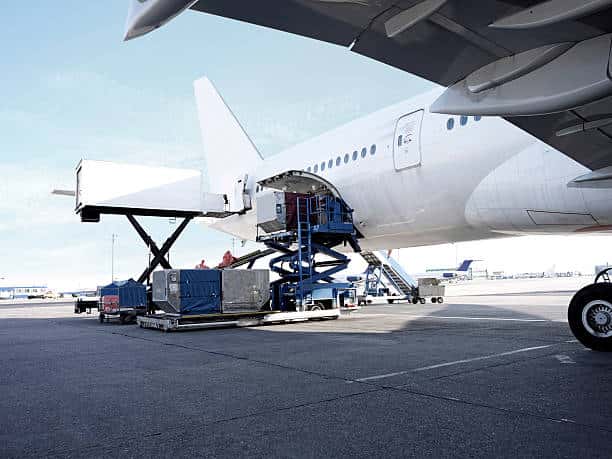
- Air Freight: Cost-effective for mid-sized shipments (10–50 units) and timelines of 5–10 days. Costs typically $8–$15 per kg for e-bikes (due to dangerous goods fees) and $5–$10 per kg for standard bicycles. Example: Shipping 20 standard bicycles (each 18kg) from Miami to Tokyo via air freight costs $1,800–$3,600 total (5–7 day transit).
- Sea Freight: Lowest cost for large batches (50+ units) or bulk orders (e.g., manufacturer-to-retailer shipments). Costs range from $1–$3 per kg for standard bicycles and $2–$4 per kg for e-bikes. Transit times are 2–6 weeks. Example: Shipping 100 e-bikes (each 25kg) from Hamburg to Sydney via sea freight costs $5,000–$10,000 total (3–4 week transit).
Breakdown of E-Bike & Bicycle International Shipping Costs
Shipping quotes aren’t random—they’re a sum of specific, negotiable costs. As a US or European business, understanding these components will help you spot hidden fees and negotiate better rates:
1. Chargeable Weight: Actual vs. Volumetric Weight
Carriers calculate costs using “chargeable weight”—the greater of the shipment’s actual weight or volumetric weight (length × width × height / 5000 for air freight, / 6000 for sea freight). For e-bikes and bicycles, volumetric weight often exceeds actual weight due to packaging size. Example: A bicycle packaged in a 120×80×30cm box has a volumetric weight of (120×80×30)/5000 = 57.6kg—even if the actual weight is 18kg. You’ll be charged for 57.6kg for air freight.
Tip: Reduce volumetric weight by using custom-sized packaging (instead of generic boxes) and disassembling parts. This can cut chargeable weight by 20–30%.
2. Destination & Remote Area Surcharges
Shipping to major hubs (e.g., New York, London, Tokyo) is cheaper than remote areas (e.g., rural Canada, Iceland, Australian outback). For example:
- A 25kg e-bike shipped from Chicago to Paris (major hub) costs $400–$600 via air freight.
- The same e-bike shipped to a small town in southern France (remote area) adds $50–$150 in remote delivery surcharges.
Ask for door-to-door vs. port-to-port quotes: Door-to-door includes last-mile delivery (convenient but 10–20% pricier), while port-to-port requires you to arrange local pickup (cheaper but more work).
3. Customs Duties & Taxes
Customs duties are a hidden cost many businesses overlook. Rates vary by country and product type: For example,
- US businesses shipping e-bikes to the EU face a 14% duty rate (based on the shipment’s declared value).
- European businesses shipping bicycles to the US pay a 5.5% duty rate.
Your logistics provider should include a duty estimate in your quote, but confirm if this is a fixed cost or an estimate (fluctuations in exchange rates can affect final duties).
4. Additional Fees to Watch For
Hidden fees can inflate your total cost by 20–30%. Always ask for a detailed quote that includes:
- Dangerous goods handling fee (for e-bikes): $50–$200 per shipment (air freight) or $30–$100 (sea freight).
- Customs clearance fee: $50–$200 (included by most logistics providers, but confirm for complex shipments).
- Fuel surcharge: 5–15% of the base rate (fluctuates with oil prices; ask about fixed surcharges for long-term contracts).
- Storage fees: $10–$30 per day per unit (avoid by providing accurate documentation upfront to prevent delays).
How to Get Accurate E-Bike & Bicycle Shipping Quotes (Step-by-Step)
To avoid sticker shock, follow these steps to get quotes that reflect your actual needs:
1. Gather Detailed Product Information
Your logistics provider needs specific details to give an accurate quote. Prepare:
- Product type (e-bike vs. standard bicycle; battery specs for e-bikes: capacity in Wh, UN38.3 certification).
- Quantity, actual weight, and packaging dimensions per unit (and total shipment).
- Declared value (for customs duties and insurance).
- Origin (e.g., Los Angeles, Amsterdam) and destination (specific city, not just country).
- Timeline (how fast do you need the shipment to arrive?)
Example: “10 e-bikes (each 22kg, packaged in 110×70×35cm boxes; 500Wh batteries, UN38.3 certified), total declared value $15,000. Shipping from Berlin to Toronto, need delivery in 7–10 days.”
2. Compare 3–5 Logistics Providers (Don’t Just Pick the Cheapest)
Cheaper quotes often mean cutting corners (e.g., no compliance support, poor packaging, slow customer service). Look for providers with:
- Experience shipping e-bikes/bicycles (ask for case studies of US/European clients).
- In-house dangerous goods expertise (critical for e-bikes to avoid compliance fines).
- Transparent pricing (no hidden fees—get quotes in writing with a detailed cost breakdown).
Example: A specialist cycling logistics provider might charge $100 more per e-bike than a general provider but save you $500 in compliance fines or damaged goods.
3. Negotiate for Long-Term Savings
If you’re shipping regularly (e.g., monthly batches to Europe/Asia), ask for volume discounts. Most providers offer 10–25% off for recurring shipments. You can also negotiate:
- Waived dangerous goods handling fees for e-bikes.
- Lower insurance rates (1% instead of 3%) for high-volume orders.
- Fixed fuel surcharges for 6–12 months to avoid price fluctuations.
Common Mistakes to Avoid When Shipping E-Bikes/Bicycles Internationally
Even with the right info, businesses make these costly errors:
- Hiding battery details: Not disclosing e-bike battery specs leads to seized shipments and fines. Always share battery capacity and certification upfront.
- Skimping on packaging: Using cheap boxes for fragile frames or batteries results in damaged goods—costing more in replacements than you saved on shipping.
- Ignoring customs documentation: Incomplete declarations (e.g., missing battery info, under-declaring value) lead to delays and fines. Let your logistics provider handle documentation if you’re unsure.
- Choosing the wrong shipping method: Using express for large batches wastes money; using sea freight for urgent orders leads to lost sales.
Ready to Get a Transparent E-Bike & Bicycle International Shipping Quote?
Shipping e-bikes and bicycles internationally doesn’t have to be expensive or stressful—when you partner with a logistics provider that understands US and European business needs, you get accurate pricing, compliance support, and on-time deliveries.
we specialize in e-bike and bicycle international shipping for US and European brands. Our team handles UN38.3 compliance, specialized packaging, customs clearance, and dangerous goods handling—so you can focus on growing your business. We offer tailored quotes for air, sea, and express shipping, with no hidden fees and volume discounts for regular shipments.
Let us help you expand globally with confidence—without breaking the bank.
Your next international order is waiting—we’ll get your e-bikes and bicycles there safely, on time, and at the right price.
Category: case analysis