0 Comments
1 category
International logistics services: Freight company services from Shenzhen to Toronto
For businesses linking Shenzhen—China’s global manufacturing and cross-border e-commerce hub—and Toronto—Canada’s economic powerhouse, tech epicenter, and North American logistics gateway—navigating cross-border complexities, balancing speed and cost, and avoiding compliance risks is critical. This guide blends actionable insights with city-specific expertise: leveraging Shenzhen’s dominance in electronics, textiles, and consumer goods production, and Toronto’s strengths as a top Canadian port (Toronto Port Authority), air cargo hub (Toronto Pearson International Airport), and affluent consumer market. Whether you’re an e-commerce seller, manufacturer, or importer, we deliver practical, data-driven strategies to optimize your Shenzhen to Toronto shipping—with no fluff, just results.
1. Shenzhen to Toronto Shipping Methods: Sea vs. Air vs. Rail vs. Road Comparison
Choosing the right transport mode depends on your cargo’s volume, urgency, value, and alignment with Toronto’s market demands (e.g., tech sector growth, retail replenishment, industrial equipment needs). Below is a detailed breakdown tailored to both cities’ logistics ecosystems:
Sea Freight (Shenzhen to Toronto Sea Freight)
- Transit Time: 30–40 days (FCL/LCL) via core routes: Shenzhen (Yantian/Shetouwan Port) → Pacific Ocean → Vancouver/Montreal Port → rail/road to Toronto. Peak seasons (Q4 holiday rush, Chinese New Year) add 7–10 days.
- Cost: Most cost-effective for large volumes—FCL (20ft/40ft container) rates: $2,500–$4,500; LCL rates: $45–$80 per cubic meter. Ideal for budget-focused shipments.
- Suitable Cargo: Bulk goods, heavy machinery, raw materials, and non-urgent consumer goods (e.g., furniture, textiles, electronics components). Shenzhen’s 30% share of China’s cross-border e-commerce exports makes sea freight a top choice for B2B orders to Toronto’s manufacturing (automotive, aerospace) and retail sectors (Toronto is Canada’s largest consumer market).
- Key Considerations: Toronto is an inland port—sea freight requires intermodal transit (port-to-rail/road). Partner with a Shenzhen to Toronto freight forwarder experienced in Canadian National (CN) Railway and Canadian Pacific (CP) rail networks to avoid drayage delays. Comply with Toronto Port’s environmental regulations (IMO 2020 sulfur limits) and Canadian Border Services Agency (CBSA) container inspection protocols.
Air Freight (Shenzhen to Toronto Air Freight)
- Transit Time: 4–8 days (direct flights from Shenzhen Bao’an International Airport to Toronto Pearson International Airport (YYZ); indirect via Vancouver/Chicago adds 1–3 days). YYZ’s status as North America’s 6th-largest cargo airport ensures expedited processing.
- Cost: Premium but time-critical—rates: $4.5–$9.5 per kg. Worth it for high-value or urgent shipments.
- Suitable Cargo: Cross-border e-commerce parcels (Shenzhen to Toronto e-commerce logistics), medical devices, high-tech electronics (Shenzhen’s specialty), seasonal goods (e.g., holiday gifts, fashion collections), and perishables (temperature-controlled). Toronto’s tech sector (AI, fintech) and DTC brand boom demand fast replenishment, making air freight ideal for B2B tech suppliers and e-commerce retailers.
- Key Considerations: YYZ has dedicated cargo terminals for international shipments—work with a Shenzhen to Toronto logistics company familiar with TSA/CBSA cargo screening. Check restrictions for lithium-ion batteries (common in Shenzhen’s exports) and comply with Canada’s Electrical and Electronic Equipment Regulations (EEER).
Rail Freight (Shenzhen to Toronto Rail Logistics)
- Transit Time: 22–30 days via multimodal route: Shenzhen → Xi’an → Alashankou Border → Russia → Europe → Atlantic Ocean (short sea) → Halifax/Montréal Port → rail to Toronto.
- Cost: Mid-tier—$3,200–$5,000 per 40ft container (cheaper than air, faster than sea).
- Suitable Cargo: Medium-volume, time-sensitive goods (e.g., auto parts, industrial machinery, electronics assemblies) linking Shenzhen’s manufacturing hubs to Toronto’s automotive (Ford, GM facilities) and aerospace sectors (Canada’s top aerospace cluster).
- Key Considerations: Rail reduces carbon emissions by 70% vs. air—aligns with Toronto’s 2050 net-zero goals. Book 5–6 weeks in advance; winter rail delays (Canada’s harsh winters) are common. Ensure compliance with Transport Canada’s rail safety standards for hazardous cargo.
Road Freight (Shenzhen to Toronto Road Transport)
- Transit Time: 32–42 days (multimodal: road from Shenzhen to Guangzhou Port → sea/air to U.S. Northeast → road to Toronto via Ontario Highway 401).
- Cost: Higher than sea/rail but flexible—$3,800–$6,500 per truckload (North American domestic segment).
- Suitable Cargo: Small batches (10–25 tons), last-mile delivery to Toronto’s suburban industrial parks, and time-sensitive regional distribution (e.g., retail restocks for Ontario, Quebec). Complements sea/air freight for end-to-end fulfillment.
- Key Considerations: U.S.-Canada border crossing requires CBSA/USCBP clearance—use a logistics provider with cross-border road expertise. Toronto’s Highway 401 (North America’s busiest highway) enables fast domestic delivery; factor in winter road conditions (December–February) for scheduling.
Summary Table
| Shipping Method | Transit Time | Cost (40ft Container) | Suitable Cargo | Best For |
|---|---|---|---|---|
| Sea Freight | 30–40 days | $2,500–$4,500 | Bulk, non-urgent goods | B2B orders, cost savings |
| Air Freight | 4–8 days | $10,000–$19,000 (400kg) | High-value, urgent goods | E-commerce, tech shipments |
| Rail Freight | 22–30 days | $3,200–$5,000 | Medium-volume, time-sensitive goods | Industrial, sustainable cargo |
| Road Freight | 32–42 days | $3,800–$6,500 | Small batches, last-mile | Regional distribution |
2. Full Process of Shenzhen to Toronto Logistics: Step-by-Step Guide
Cross-border shipping from Shenzhen to Toronto demands precision—each step must account for Chinese export rules, Canadian import regulations, and the unique logistics of both cities. Follow this actionable workflow to avoid delays:
Step 1: Inquiry & Quotation (Choose a Shenzhen to Toronto Logistics Company)
- Key Actions: Provide detailed cargo specs (weight, volume, type, HS code) and delivery deadline. Request quotes from a Shenzhen to Toronto freight forwarder with Canadian expertise—they’ll advise on optimal transport modes and hidden costs (e.g., port drayage, CBSA fees, Toronto local delivery charges).
- Pro Tip: For e-commerce, ask about integrated solutions (Shenzhen warehousing + Toronto fulfillment centers like Amazon FBA or 3PLs) to cut last-mile costs and speed up delivery to Canadian customers.
Step 2: Booking & Documentation
- Booking: Lock in rates 4–6 weeks in advance (peak seasons: Q4, Chinese New Year). Confirm space with carriers—YYZ Airport and Toronto Port slots fill fast for premium routes.
- Essential Documentation:
- Commercial Invoice (accurate product descriptions/values—CBSA audits 12% of shipments; under-invoicing risks seizure).
- Packing List (itemized by weight, volume, and SKU; include Canadian French/English labeling for retail goods).
- Bill of Lading (sea/rail) or Air Waybill (air).
- Certificate of Origin (to qualify for Canada-China trade agreements and reduce tariffs).
- Special Cargo Docs: MSDS (dangerous goods), Health Canada approval (food/beauty/medical products), or CSA certification (electronics for Canadian market).
Step 3: Cargo Pickup & Consolidation
- Pickup: Arrange pickup from your Shenzhen warehouse or supplier’s facility. Shenzhen’s 30+ logistics parks and proximity to ports/airports ensure same-day pickup for most orders.
- Consolidation: For LCL/air freight, your freight forwarder will consolidate cargo to lower costs. Use moisture-resistant, freeze-proof packaging—Toronto’s cold winters (-10°C to -20°C) can damage sensitive goods (e.g., Shenzhen’s electronics, textiles).
Step 4: Customs Clearance (Shenzhen & Toronto)
- Shenzhen Customs: Submit documents via China Customs e-portal. Common checks: export restrictions (e.g., high-tech goods), cargo valuation, and compliance with Chinese trade rules.
- Toronto (CBSA Clearance): CBSA focuses on security, tariff compliance, and product safety. Critical tips:
- Use correct HS codes (errors cause 45% of Canadian customs delays—verify via CBSA’s HS Code Lookup Tool).
- Declare all items—omissions trigger 2–4 week inspections.
- Comply with Canada’s Consumer Packaging and Labeling Act (bilingual labels) and Canada Environmental Protection Act (REACH-like chemical regulations).

Step 5: Transport & Tracking
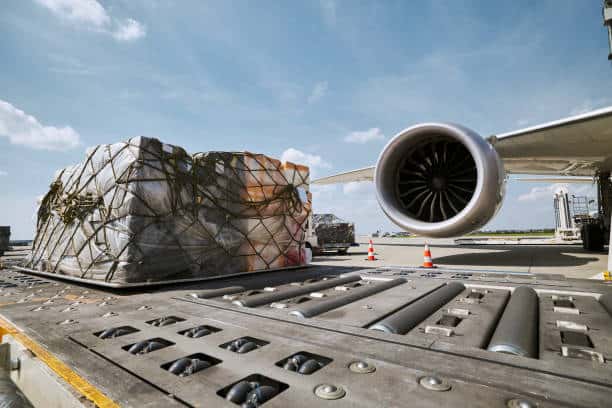
- Track shipments in real time via your logistics provider’s platform. For sea freight, monitor port arrivals (Toronto Port’s live tracker); for air freight, use YYZ Airport’s cargo portal.
- Stay updated on potential delays: Pacific Ocean congestion, U.S.-Canada border checks, or Toronto winter storms. Your freight forwarder should proactively alert you and offer alternatives (e.g., rerouting to Vancouver Port during Toronto Port ice delays).
Step 6: Delivery & Post-Delivery Support
- Toronto Delivery: Choose door-to-door (most convenient for B2C/e-commerce) or port/airport-to-warehouse (cheaper for B2B). Toronto’s central Canadian location enables fast regional distribution to Ontario, Quebec, and the U.S. Northeast.
- Post-Delivery: Reputable Shenzhen to Toronto freight forwarders offer cargo insurance (up to full value) and claim support for damaged/lost goods. Request a delivery confirmation and CBSA clearance receipt for tax records.
3. Common Problems & Solutions for Shenzhen to Toronto Shipping
How to Avoid Customs Inspection Delays?
Canadian customs delays cost businesses $800M annually—here’s how to stay on track:
- Document Precision: Ensure invoices, packing lists, and HS codes match perfectly. CBSA uses AI to flag discrepancies (e.g., “electronics” listed with a furniture HS code).
- Compliance with Canadian Rules: For e-commerce, include IOSS numbers for VAT compliance. For electronics, provide CSA certification; for food items, Health Canada approval.
- Avoid Restricted Items: CBSA prohibits counterfeits, unapproved pharmaceuticals, and certain agricultural goods (e.g., fresh produce without phytosanitary certificates). Check the CBSA website for updates.
- Partner with a Canada-Focused Expert: A Shenzhen to Toronto freight forwarder familiar with CBSA procedures will pre-audit your docs and resolve issues (e.g., missing French labels) before they cause delays.
Dangerous Goods Shipping Compliance Guide
Shenzhen’s chemical and electronics exports often require dangerous goods shipping—follow these Canadian rules:
- Classify Correctly: Use UN Dangerous Goods Classification (e.g., lithium-ion batteries = Class 9, flammables = Class 3).
- Prepare MSDS: A detailed Material Safety Data Sheet (bilingual English/French) is mandatory for all hazardous cargo.
- Follow IMO/IATA Rules: Sea freight (IMDG Code) and air freight (IATA DGR) have strict packaging/labeling requirements.
- Comply with Transport Canada Regulations: Transport Canada enforces dangerous goods transport—ensure UN-certified packaging, proper labeling, and a dangerous goods declaration form.
- Notify Authorities: Declare dangerous goods to Shenzhen Customs and CBSA 72 hours before shipping.
Cross-Border E-Commerce Logistics Cost Optimization Tips (Shenzhen to Toronto E-Commerce Logistics)
E-commerce sellers need to balance speed and cost—here’s how to optimize for Toronto’s market:
- Mix Shipping Modes: Use sea freight for bulk inventory (stored in Toronto 3PL facilities) and air freight for fast-moving SKUs (e.g., seasonal goods, tech accessories).
- Negotiate Volume Discounts: Partner with a Shenzhen to Toronto logistics company for reduced rates—regular shippers save 15–35% on sea/air freight.
- Optimize Packaging: Use lightweight, compact materials to cut shipping costs. Toronto’s fulfillment centers prioritize space-efficient packaging for last-mile delivery.
- Leverage Trade Agreements: Use the Canada-China Foreign Investment Promotion and Protection Agreement (FIPA) to reduce tariffs—ensure your Certificate of Origin is properly authenticated.
- Local Warehousing: Store inventory in Toronto fulfillment centers (e.g., Brampton, Mississauga) to cut last-mile costs and offer 2–3 day delivery to Canadian customers.
Why Choose Our Shenzhen to Toronto Logistics Services?
As a leading Shenzhen-based international logistics company, we specialize in connecting China’s manufacturing powerhouse to Toronto’s dynamic market. Our competitive edge includes:
- Dual Local Expertise: Deep knowledge of Shenzhen’s ports/airports and Toronto’s logistics network (YYZ Airport, Toronto Port, CN/CP rail, and Highway 401).
- Tailored Solutions: Custom sea, air, rail, and road freight options for B2B, B2C, and e-commerce clients—including Shenzhen to Toronto e-commerce logistics with end-to-end fulfillment.
- Compliance Mastery: Expertise in CBSA rules, CSA/Health Canada requirements, and dangerous goods shipping—we minimize customs risks and delays.
- Transparent Support: Real-time tracking, proactive winter delay alerts, and 24/7 multilingual customer service (English, French, Mandarin)—we handle every step from pickup to delivery.
Whether you’re shipping electronics from Shenzhen’s Silicon Valley to Toronto’s tech firms or e-commerce parcels to Ontario consumers, we’re your trusted Shenzhen to Toronto freight forwarder. Contact us today for a personalized quote and start optimizing your cross-border logistics.
Category: International Logistics Express Line
Related Posts
International logistics services: Freight company services from Shenzhen to Washington D.C.
International logistics services: Freight company services from Shenzhen to Washington…
International logistics services: Freight company services from Shenzhen to Boston
International logistics services: Freight company services from Shenzhen to Boston…
International logistics services: Freight company services from Shenzhen to Copenhagen
International logistics services: Freight company services from Shenzhen to Copenhagen…