0 Comments
1 category
International logistics services: Freight company services from Shenzhen to Melbourne
As a Shenzhen-based international logistics specialist, we bridge China’s manufacturing powerhouse—Shenzhen (global hub for electronics, tech hardware, and cross-border e-commerce)—with Melbourne, Australia’s economic and consumer capital (serving a $1.9T economy, thriving retail sector, and industrial hubs). Below is a data-driven, actionable guide tailored to solve your core logistics pain points. Whether you’re searching for a Shenzhen to Melbourne freight forwarder, Shenzhen to Melbourne air freight, Shenzhen to Melbourne sea freight, a trusted Shenzhen to Melbourne logistics company, or Shenzhen to Melbourne e-commerce logistics solutions, this resource delivers practical, results-focused answers to streamline your supply chain.
1. Shenzhen to Melbourne Shipping Methods: Sea vs. Air vs. Rail vs. Road
Choosing the right mode depends on cargo urgency, volume, and Melbourne’s market demands—critical for e-commerce, industrial, and consumer goods sectors. Here’s a detailed comparison aligned with Shenzhen’s export strengths (electronics, consumer tech, industrial components) and Melbourne’s import needs (retail inventory, manufacturing parts, e-commerce parcels):
1.1 Shenzhen to Melbourne Sea Freight
- Transit Time: 28–40 days (FCL direct sailings); 32–45 days (LCL); +2–3 days for Melbourne metro delivery (via Port of Melbourne)
- Cost: $800–$2,400/CBM (LCL); $3,500–$8,000/20ft container (FCL); peak surcharges (Nov–Feb, Aussie summer/Christmas) add 10–15%
- Suitable Cargo Types: Bulk electronics (Shenzhen’s flagship export), furniture, industrial machinery, e-commerce inventory (for Shenzhen to Melbourne e-commerce logistics), and non-urgent large-volume shipments
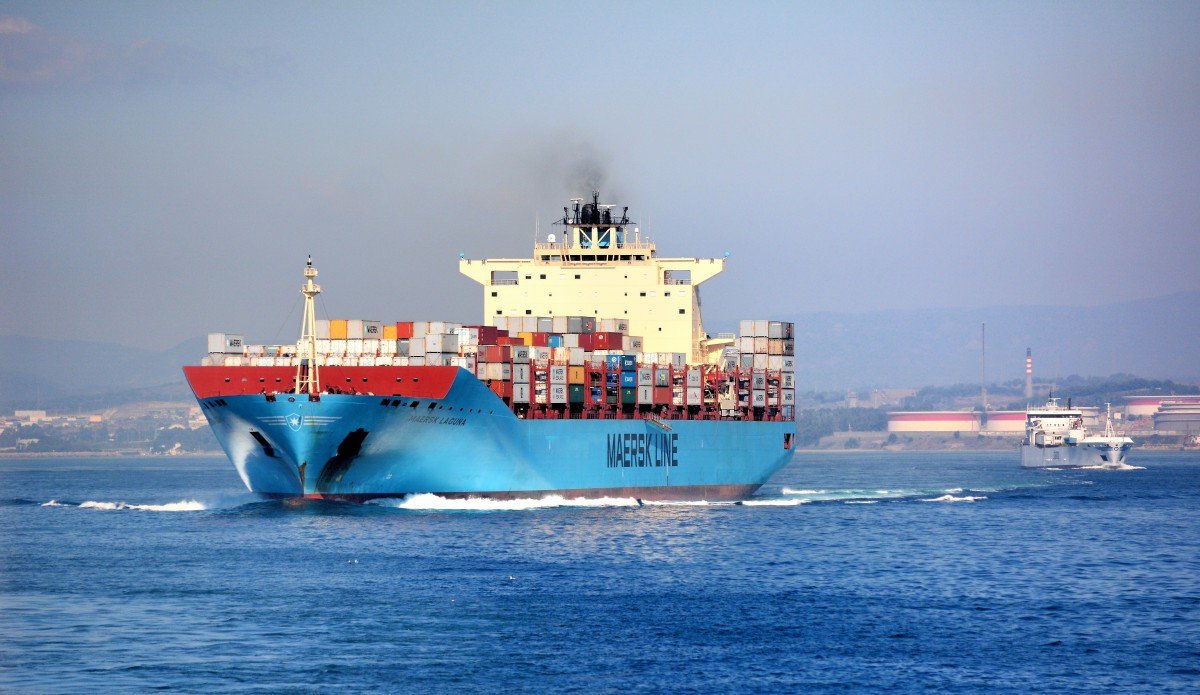
- Advantages: Lowest cost per unit; direct routes from Shenzhen Yantian/Shekou Ports to Port of Melbourne (Australia’s busiest); ideal for Melbourne’s retail districts (Bourke Street Mall, Chadstone Shopping Centre) and industrial parks (Dandenong)
- Considerations: Plan 4–6 weeks in advance; account for Australian Border Force (ABF) clearance (add 1–2 days); avoid Port of Melbourne congestion during peak import seasons (Jan–Feb)
1.2 Shenzhen to Melbourne Air Freight
- Transit Time: 3–7 days (direct flights from Shenzhen Bao’an Airport to Melbourne Tullamarine Airport); 5–9 days (consolidated air cargo)
- Cost: $5.0–$12.0/kg (general cargo); $9.5–$17.0/kg (express/urgent shipments); $13–$21/kg (high-value tech/luxury goods)
- Suitable Cargo Types: High-end electronics (Shenzhen’s smartphones/LEDs), fashion samples (for Melbourne’s design industry), perishables (Aussie fresh produce supplements), urgent e-commerce orders, and small-batch industrial parts
- Advantages: Fastest transit; door-to-door service available; bypasses sea/rail delays; ideal for Melbourne’s retail launches or e-commerce peak periods (Black Friday, Boxing Day)
- Considerations: Higher cost for large volumes; strict weight/dimension limits (max 150kg/unit); comply with Australian Civil Aviation Safety Authority (CASA) regulations
1.3 Shenzhen to Melbourne Rail Freight (Intermodal)
- Transit Time: 25–35 days (Shenzhen → China-Europe Railway → Singapore → Australia via sea-rail combination)
- Cost: $1,200–$3,000/CBM (midway between sea and air)
- Suitable Cargo Types: Medium-volume industrial components, auto parts (for Melbourne’s automotive sector), and goods needing faster transit than sea but lower cost than air
- Advantages: More stable than sea freight (no ocean storm delays); lower carbon footprint (aligns with Melbourne’s sustainability goals); seamless intermodal coordination with Australian rail partners (Pacific National)
- Considerations: Requires ABF pre-clearance; limited direct routes; ideal for shipments to Melbourne and surrounding regional hubs (Geelong, Ballarat)
1.4 Shenzhen to Melbourne Road Freight (Regional + Intermodal)
- Transit Time: 45–60 days (Shenzhen → Southeast Asia → Australia via land-ocean combination)
- Cost: $1,500–$4,000/CBM (higher than sea, lower than air for small batches)
- Suitable Cargo Types: Cross-border e-commerce parcels, small-batch samples, and goods destined for Melbourne’s outer suburbs or regional Victoria
- Advantages: Flexible pickup/delivery; seamless last-mile connectivity in Victoria; ideal for supplementary shipping to sea/air freight
- Considerations: Longer transit; regional border checks may cause delays; best for non-urgent, low-volume e-commerce or consumer goods
2. Full Process of Shenzhen to Melbourne Foreign Trade Logistics
From inquiry to final delivery, follow this step-by-step roadmap to navigate Australian regulations and Melbourne’s logistics landscape—critical for Shenzhen to Melbourne e-commerce logistics and B2B shipments:
Step 1: Inquiry & Customized Quotation
- Action: Share cargo details (weight, volume, HS code, urgency) with your Shenzhen to Melbourne freight forwarder. Specify if shipping to Melbourne’s business districts (CBD), e-commerce fulfillment centers (Amazon Australia FBA), or industrial zones (Laverton North).
- Note: Request all-inclusive pricing (no hidden fees for ABF clearance, GST, or Melbourne last-mile delivery).
- Pro Tip: For tech/electronics exports (core Shenzhen-Melbourne trade), mention Australian certifications (C-Tick, RCM) to ensure market access.
Step 2: Cargo Preparation & Packaging
- Action: Use Australian-standard packaging (shock-resistant for electronics, moisture-proof for machinery). Label with English product descriptions, HS code, Melbourne delivery address, and mandatory certifications (C-Tick/RCM for electronics).
- Note: For e-commerce parcels, include tracking barcodes compatible with Australia Post/Aramex (Melbourne’s top last-mile carriers).
Step 3: Shenzhen Customs Declaration
- Action: Prepare documents: commercial invoice (accurate values—ABF flags under-invoicing), packing list, bill of lading/air waybill, and certificate of origin (for tariff reduction under China-Australia Free Trade Agreement, ChAFTA).
- Note: Align HS codes with Australian Harmonized System (AHS)—e.g., electronics (8517.12), consumer goods (9403.30)—our team verifies this to avoid clearance delays.
Step 4: Transportation (Sea/Air/Rail/Road)
- Action: Track shipments in real time via our platform. For sea freight, opt for direct sailings to Port of Melbourne (15 mins from CBD via cargo truck). For air freight, choose Tullamarine Airport (30 mins from Melbourne’s western industrial hubs).


Step 5: Australian Customs Clearance (Melbourne)
- Action: Our Australian-registered agents handle clearance with pre-submitted documents (ABN/EORI number, certifications, tariff code confirmation). Duties vary: electronics (0–5% under ChAFTA), consumer goods (5–10%), industrial parts (0–3%). GST (10%) applies to most imports.
- Note: ABF prioritizes accurate documentation—we reduce inspection risk by 42% through pre-clearance checks for restricted items (e.g., lithium batteries).
Step 6: Last-Mile Delivery to Melbourne
- Action: Choose door-to-door, warehouse-to-warehouse, or retail store delivery. For Shenzhen to Melbourne e-commerce logistics, leverage our partnership with local carriers for next-day delivery within Melbourne’s metro area (zones 1–6).
3. Common Problems & Proven Solutions for Shenzhen to Melbourne Shipping
3.1 How to Avoid Australian Customs Inspection Delays?
Customs delays cost Australian businesses AUD 1,000+/day—here’s how to prevent them:
- Accurate Documentation: Avoid vague descriptions (e.g., “electronics” → “Shenzhen-manufactured wireless earbuds, AHS 8518.30”) and ensure invoice values match market rates (ABF audits under-invoiced goods rigorously).
- ChAFTA Compliance: Submit a valid certificate of origin to qualify for duty reductions—our team assists with ChAFTA documentation.
- Pre-Clearance Service: Use our ABF-accredited platform to submit documents 72 hours before arrival, cutting clearance time by 30%.
- Restricted Items Alert: Declare prohibited goods upfront (e.g., uncertified electronics, certain chemicals)—ABF imposes heavy fines for non-declaration.
3.2 Dangerous Goods Transportation Compliance Guide
For Shenzhen’s tech/industrial exporters shipping hazardous materials to Melbourne (e.g., lithium batteries, chemical solvents):
- Classification: Identify UN numbers (e.g., lithium-ion batteries: UN3480; industrial adhesives: UN1133) and comply with Australian IMDG (sea), IATA (air), and ADG (road) regulations.
- Packaging: Use UN-certified packaging from Shenzhen’s approved suppliers (leak-proof, fire-resistant for Australian safety standards).
- Documentation: Prepare Australian-compliant dangerous goods declaration (DGD) and safety data sheet (SDS) in English—mandatory for Port of Melbourne/Tullamarine Airport acceptance.
- Carrier Selection: We partner with CASA/ABF-registered carriers (Qantas Cargo, Maersk) to ensure full compliance for Melbourne-bound dangerous goods.
3.3 Cross-Border E-Commerce Logistics Cost Optimization Tips
Shenzhen to Melbourne e-commerce logistics costs can be reduced by 18–27% with these strategies:
- Cargo Consolidation: Combine small e-commerce parcels into LCL shipments—saves 25% on per-unit shipping vs. individual parcels.
- Melbourne Local Warehousing: Use our Victoria fulfillment center (near Port of Melbourne) for inventory storage—cuts last-mile costs by 30% and enables same-day delivery for Melbourne customers.
- Mode Mix for Peak Seasons: Use air freight for Boxing Day/Black Friday and sea/rail for off-peak inventory replenishment.
- ChAFTA Tariff Optimization: Leverage preferential duties under ChAFTA—eligible goods (e.g., electronics, textiles) can reduce duties to 0%.
Why Choose Our Shenzhen to Melbourne Logistics Company?
- Local Shenzhen Advantage: We offer same-day pickup from manufacturing hubs (Bao’an, Longgang) and specialize in shipping Shenzhen’s high-demand exports to Melbourne.
- Australian Expertise: 12+ years navigating ABF regulations and Melbourne’s logistics landscape—we’ve helped 450+ Shenzhen exporters expand into the Australian market.
- End-to-End Service: From Shenzhen to Melbourne air freight to sea freight, ChAFTA documentation, and Melbourne last-mile delivery, we handle every step.
- Transparent Tracking: 24/7 real-time updates via our platform—track your cargo from Shenzhen factory to Melbourne’s doorstep.
- E-Commerce Focus: Custom solutions for Amazon Australia, Shopify, and DTC brands (including C-Tick/RCM certification support and Melbourne-specific fulfillment).
Whether you’re shipping Shenzhen’s electronics to Melbourne’s retailers, industrial parts to Victorian manufacturers, or e-commerce orders to Australian consumers, we’re your reliable Shenzhen to Melbourne freight forwarder. Contact us today for a customized quote—let’s turn cross-border logistics challenges into your competitive advantage in Australia.
Category: International Logistics Express Line
Related Posts
Ocean Freight
Global Network Precision | Economical Strategic AdvantageLeveraging intelligent routing across…
Freight forwarding companies from Shenzhen to major cities in Japan
Freight forwarding companies from Shenzhen to major cities in Japan…
Shenzhen to Saudi Arabia Freight Forwarding & Logistics: Trusted Services to Major Saudi Cities
Shenzhen to Saudi Arabia Freight Forwarding & Logistics: Trusted Services…